Diving in Madeira: A Bucket-List Destination for Every Diver

Explore crystal-clear waters, volcanic reefs, and the iconic Afonso Cerqueira shipwreck
Woman enjoying the view of Rocha do Navio, wearing a hat.
Ellie Green
Adventures and Discoveries
Date:
Feb 19, 2026
Read this article in:
-min

I did my first dive at 16 in the Mediterranean. I still remember the moment I saw a huge octopus emerge from the rocks, and realised there was an entire world beneath the surface I’d never known existed.

Since then, diving has taken me across four continents and introduced me to places many people never get to see. And yet, there are still certain destinations that stand out on a diver’s bucket list. Madeira is one of them, especially for the legendary Afonso Cerqueira shipwreck.

I happened to be travelling solo at this point in my trip, and honestly, scuba diving is one of the best activities you can do alone. You instantly meet people, and the shared excitement after a good dive creates an amazing connection.
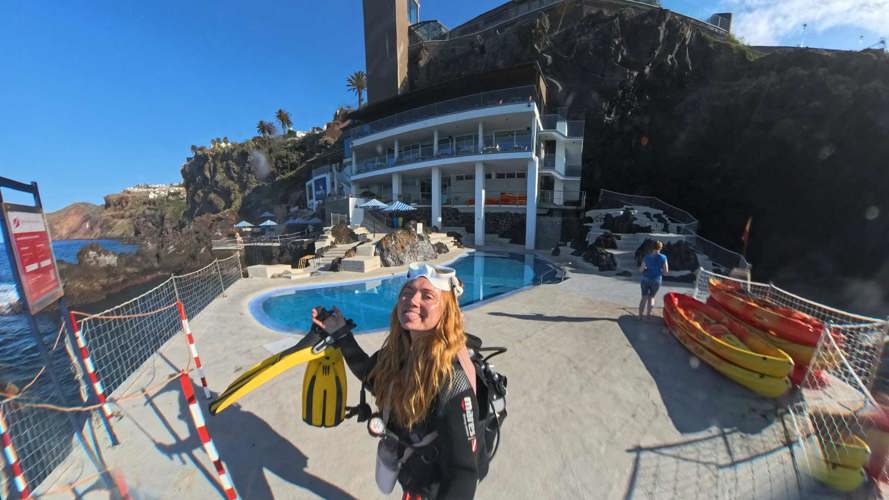
Madeira completely exceeded my expectations as a diving destination. Not only can you dive year-round, but the water is so clear and the dive sites in Madeira are really varied, great for both beginners and advanced divers. In this article I’m going to share everything you need to know about diving in Madeira.

What Makes Madeira so Special for Diving

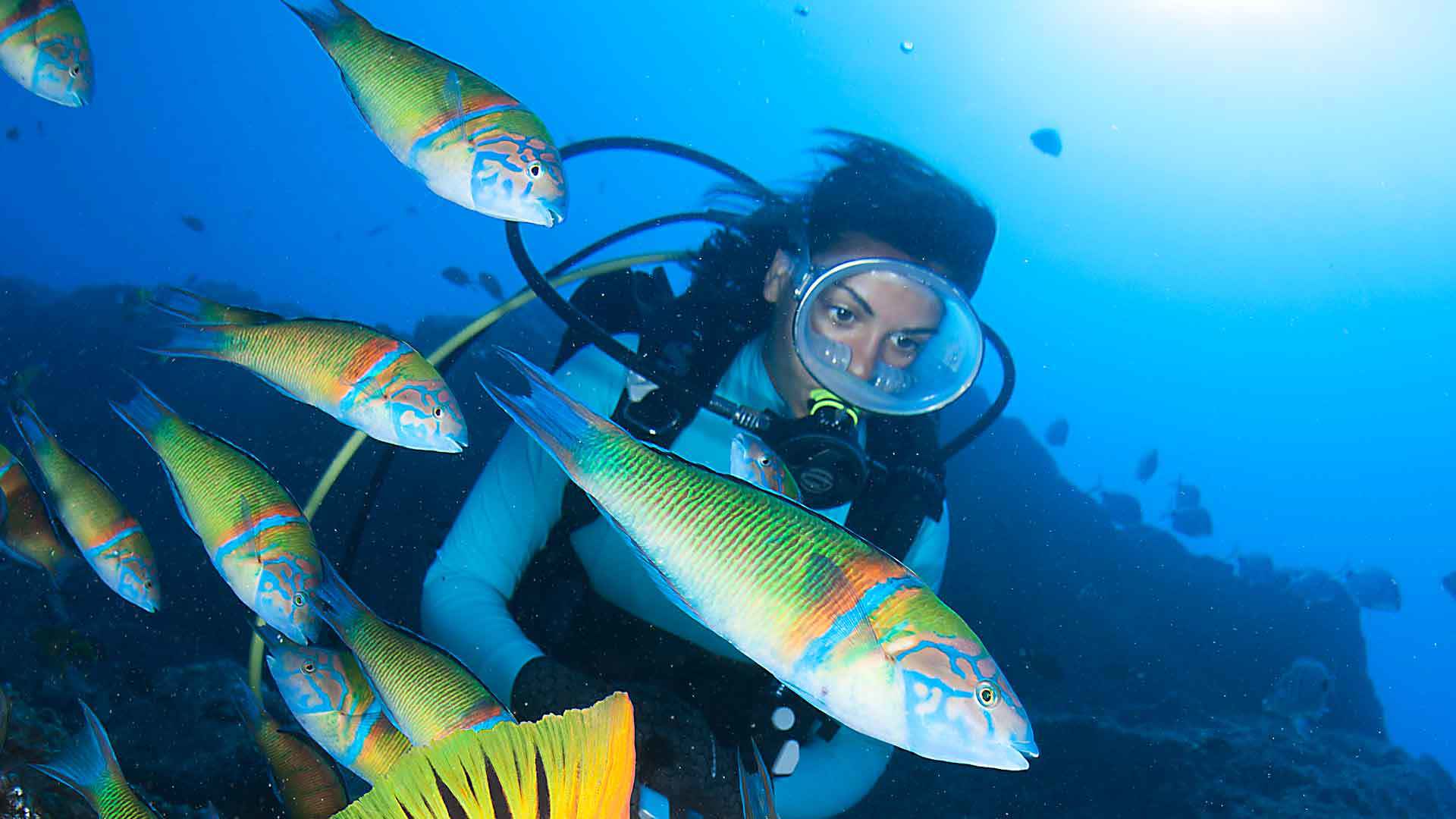
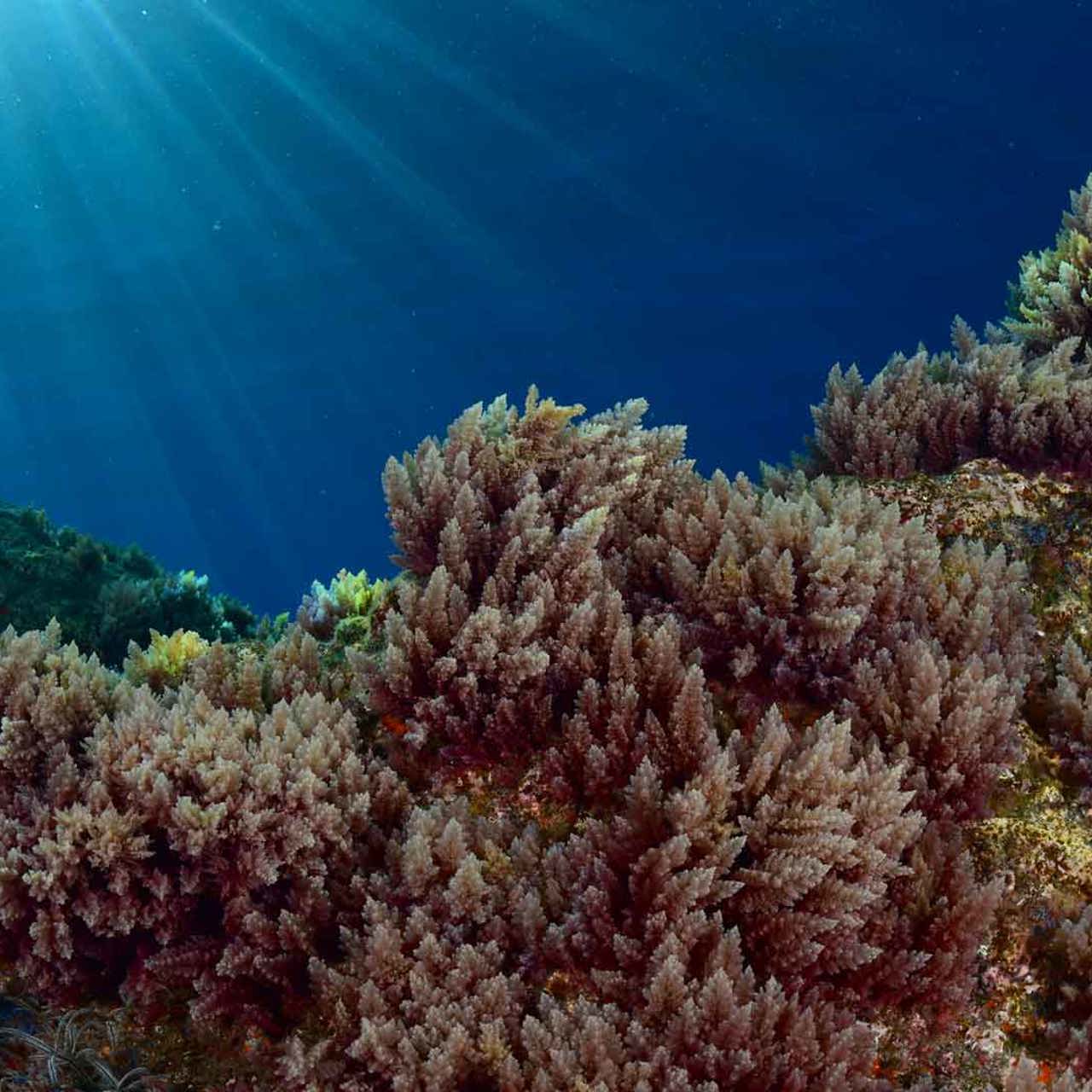
What really sets Madeira diving apart is the water clarity. The visibility here is insane, often reaching 30 to 40 metres, which means you’re not just seeing shapes and shadows, but full landscapes underwater. Volcanic rock formations, reefs, and marine life appear in crisp detail.

Another huge plus is the Madeira diving water temperature. Depending on the time of year, it usually sits between 18 to 24°C, which makes it comfortable with the right wetsuit - not freezing, not tropical, but perfect for long, enjoyable dives.

Madeira Diving Season: When Is the Best Time to Go?

The Madeira diving season runs all year, which is a huge bonus. Summer months bring warmer water and calmer seas, while winter offers slightly cooler temperatures but still great visibility.

Summer (June to October) is generally considered the best time to dive in Madeira, with calmer seas, excellent visibility (often 30 to 40 metres), and warmer water temperatures of around 22 to 24°C. This is also when you’re more likely to see larger schools of fish and pelagic species.

Spring and autumn are great shoulder seasons, while still enjoying good conditions and visibility. Winter (December to March) brings cooler water temperatures, usually around 18 to 19°C, and slightly rougher seas at times, but visibility remains strong and it’s a fantastic season for macro life like nudibranchs. No matter the season, Madeira offers consistently good diving conditions; it just depends on whether you’re chasing warmer water, big marine life, or quieter dive sites.

Where is the best diving in Madeira?

Some of the best diving in Madeira is found along the island’s south coast, where volcanic formations, excellent visibility, and protected waters create unforgettable dive conditions.
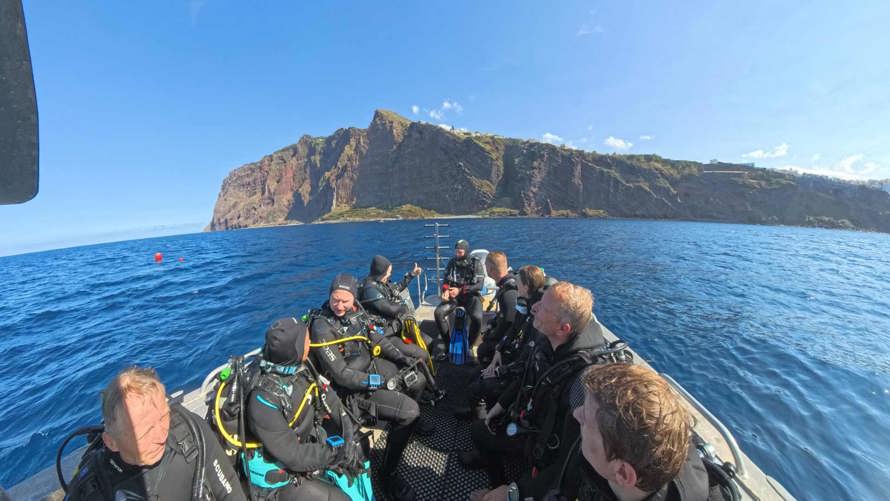
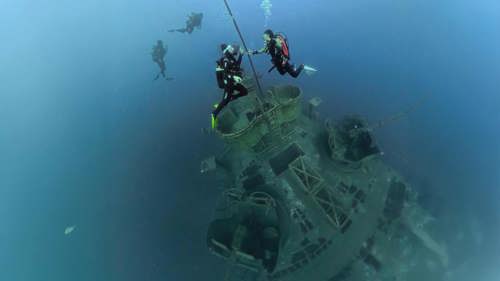
One of the standout Madeira diving sites is the Afonso Cerqueira shipwreck off Cabo Girão, a dramatic wreck dive resting between 12 and 30 metres and now home to thriving marine life.

For reef dives, sites like Arena Reef, Ponta da Oliveira, and Lido offer calm conditions, colourful fish, and fascinating volcanic rock formations - ideal for both beginners and experienced divers. I personally did the Arena Reef and it was spectacular! Especially as I got to swim through a natural cave!
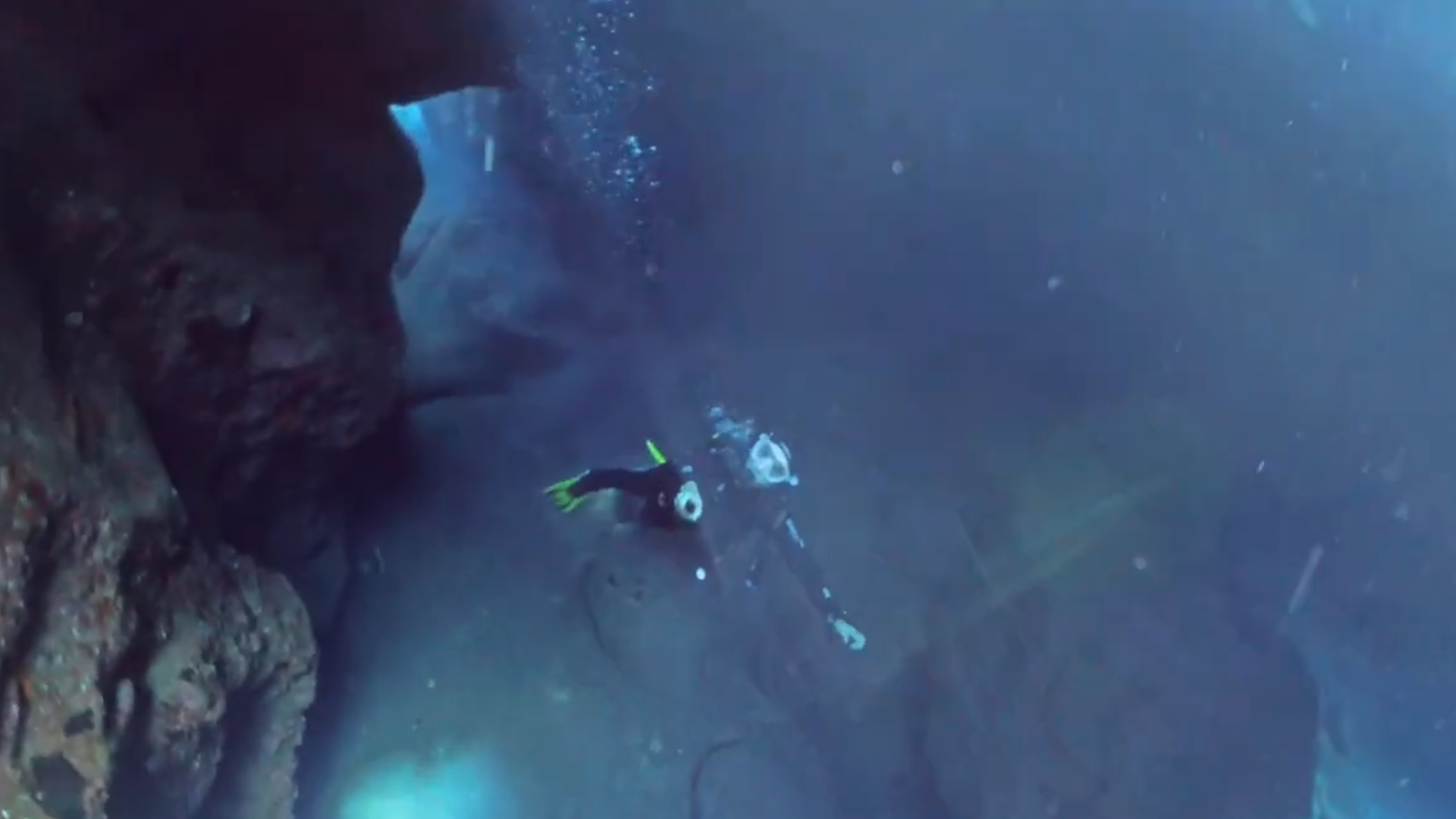
Diver exploring a rocky crevice.

Further along the coast, areas around Garajau Marine Reserve are known for their biodiversity, larger groupers, and crystal-clear water.

What makes diving in Madeira so special is the variety: relaxed shallow dives, deep wrecks, and marine-rich reserves all within a short distance of each other, making it one of the most rewarding dive destinations in Europe.

Shipwreck diving in Madeira - Afonso Cerqueira

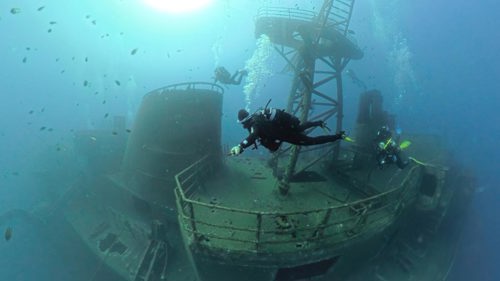
Madeira’s most famous dive site is the Afonso Cerqueira wreck, one of the island’s most impressive underwater attractions. This former Portuguese Navy corvette was deliberately sunk in 2018 off Cabo Girão to create a safe and thrilling wreck dive.

The ship measures about 85 metres long and now rests upright between roughly 12 and 30 metres deep, making it accessible for a wide range of divers. It has been fully prepared for scuba diving, decontaminated and cleared of hazardous materials, and its decks, cabins, and rooms can be explored, transforming it into a giant artificial reef teeming with marine life. Schools of fish swirl around its structure, tube worms and colourful reef creatures cling to the hull, and the dramatic architecture makes it a dream for underwater photographers.

The Afonso Cerqueira site isn’t just visually spectacular, it’s a complete experience and is easily one of the best dives I’ve ever done! Definitely one for your Europe diving bucket list.

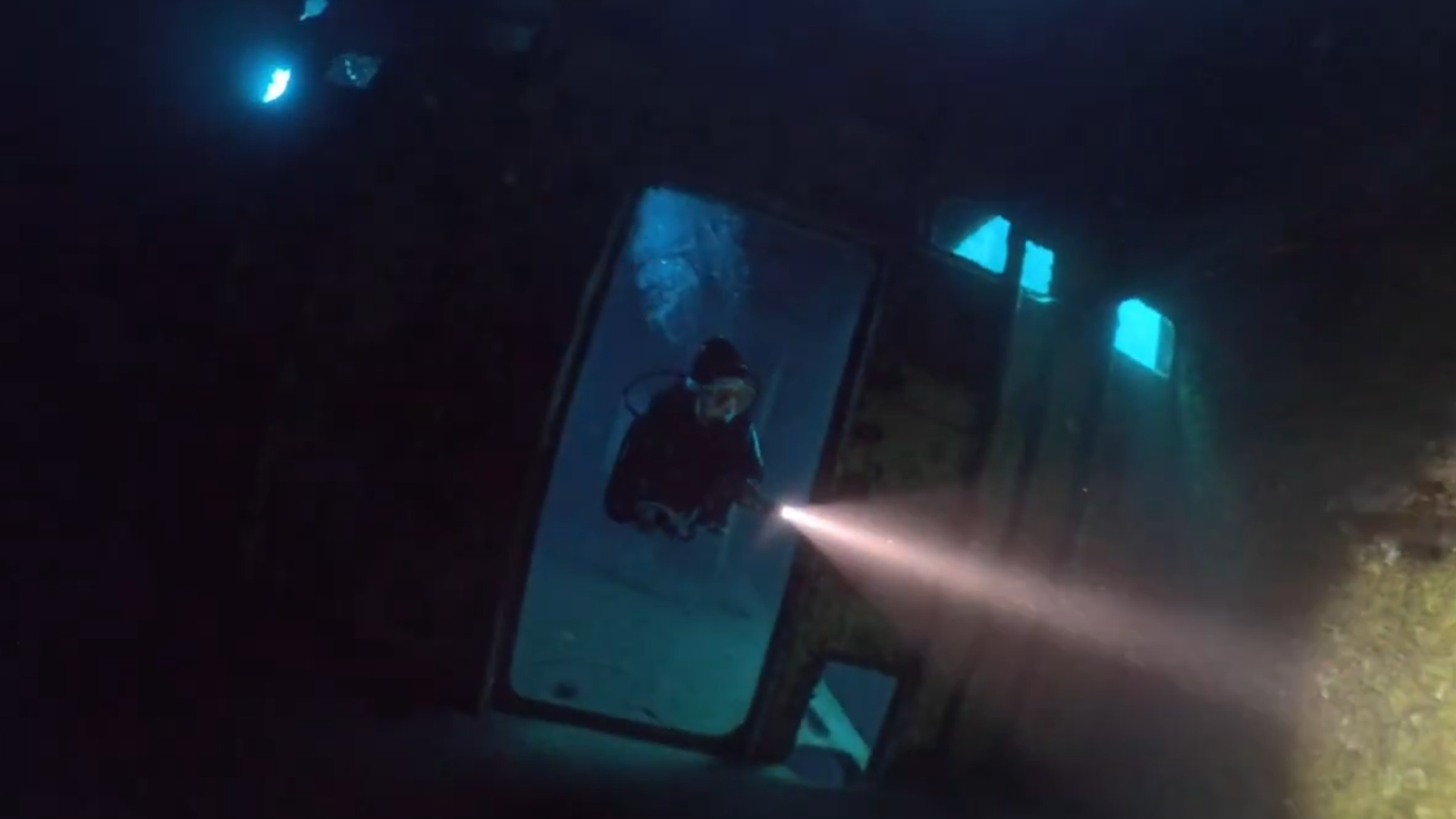
Diver with a flashlight exploring a sunken ship.

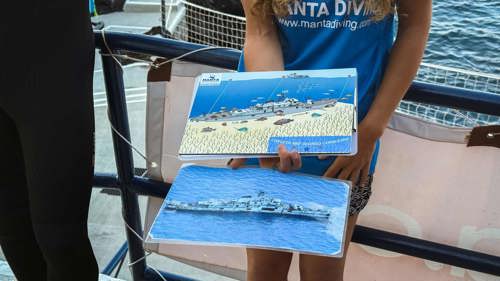
I did this dive with a local company, Manta Diving Madeira , and had the best experience. From the moment the wreck came into view, I had chills. It was huge, haunting, and completely alive. We swam through open corridors and into sunken rooms, the kitchen, crew spaces, with massive schools of sardines swirling around us like silver clouds. Barracuda hovered in the distance, and at one point I spotted an amberjack on the hunt. It felt cinematic. Epic. Like being inside a documentary.

Without hesitation, it’s one of the most impressive Madeira diving sites I’ve experienced and one I really recommend. As this is a wreck dive you will need to be an advanced diver. A lot of the divers were also Nitrox trained, however I am not and was still able to go.

Just make sure if you are looking to do this wreck dive that you book at least one day in advance if not two in order to make sure their space on the boat for you.

What marine life can you expect to find diving in Madeira?

One of the things that makes diving in Madeira so special is the variety of marine life you can encounter. Thanks to the island’s volcanic seabed and protected waters, the underwater world here feels raw and alive.

Keep an eye out for:

  • Barracuda - often seen hovering in the blue or circling shipwrecks
  • Amberjacks - powerful and fast, usually spotted hunting in open water
  • Trumpetfish - long, quirky, and surprisingly camouflaged along the reefs
  • Large schools of sardines - especially around wrecks, creating incredible underwater scenes
  • Moray eels - tucked away in rocky crevices
  • Octopus - masters of camouflage if you’re lucky enough to spot one
  • Groupers - slow-moving and impressive in size
  • Stingrays - occasionally gliding over the sandy seabed
  • Nudibranchs - tiny but colourful, perfect for macro lovers
  • Monk seals - these are rare but someone in my group spotted one at the shipwreck!

Practical Information for Diving in Madeira

Here’s everything you need to know about diving in Madeira before you book, especially if it’s your first time diving here.

Do You Need Your Own Diving Equipment?

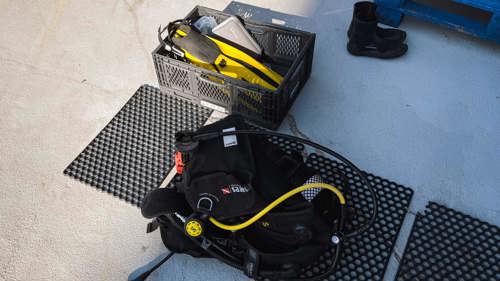
No! Most dive centres in Madeira provide high-quality, well-maintained equipment, including wetsuits, BCDs, regulators, fins, and tanks. If you have your own mask, dive computer, or wetsuit and prefer using it, you can, of course, bring it along, but it’s absolutely not essential.

What Wetsuit Should You Use?

This depends on the season:

  • Summer (June–October): A 5mm wetsuit is usually perfect with hood
  • Winter (December–March): A 7mm wetsuit or semi-dry is recommended with hood

The Madeira diving water temperatures range from around 18 to 24°C, so while it’s never freezing, proper thermal protection will make your dives much more comfortable, especially on deeper or longer dives.

How Many Dives Can You Do Per Day?

Most dive trips in Madeira include two dives per outing, usually with a surface interval in between. This is a great balance, enough time underwater without feeling rushed or exhausted.

Do You Need Nitrox?

Nitrox is not essential for diving in Madeira. While some divers use Nitrox for deeper or longer dives (like the Afonso Cerqueira wreck), I’m not Nitrox certified and was still able to do the wreck dive without any issues. That said, if you are Nitrox certified, it can help extend bottom time on certain dives.

Is Madeira Suitable for Beginner Divers?

Yes, absolutely. Madeira is a fantastic place for beginner divers, thanks to calm conditions, excellent visibility, and shallow reef dives. There are also plenty of options for Discover Scuba Dives if you’re not yet certified. Just make sure that you book your dive at least two days before you fly as you can’t fly for 24 hours after your dive.

What About Advanced Divers?

If you’re an advanced diver, Madeira really delivers. From deep wreck dives to dramatic volcanic formations and marine-rich reserves, there’s no shortage of exciting dive sites. Having your Advanced Open Water certification will allow you to access some of the island’s most impressive dives.

Final Thoughts: Why Diving in Madeira Belongs on Your Bucket List

Diving in Madeira completely exceeded my expectations. From calm reef dives to dramatic wrecks, from beginner-friendly conditions to bucket-list sites for advanced divers, it’s a destination that truly offers something for everyone.

For me, the Afonso Cerqueira shipwreck alone would be reason enough to return, a dive that felt powerful, cinematic, and unforgettable. One of the best dive sites in Europe. Add in the year-round diving season, crystal-clear water, rich marine life, and varied dive sites, and it’s easy to see why Madeira deserves a place on any diver’s bucket list.

Diving is one of the best experiences you can choose if you’re travelling solo. You’ll meet people, challenge yourself, and come away with memories that stick with you long after you dry off.

If diving is on your radar for your next trip, Madeira is a destination you won’t regret saying yes to.

For those planning a trip to the island and want more adrenaline-filled ideas, I’ve also put together a guide to the best adventure activities in Madeira, covering everything from canyoning and kayaking to cliff climbing and more.

Sea Activities
Diving

Keep in Touch

@thegingerwanderlust

Subscribe to our newsletter and follow every discovery first hand!