Wine Tourism
Madeira Still Wines
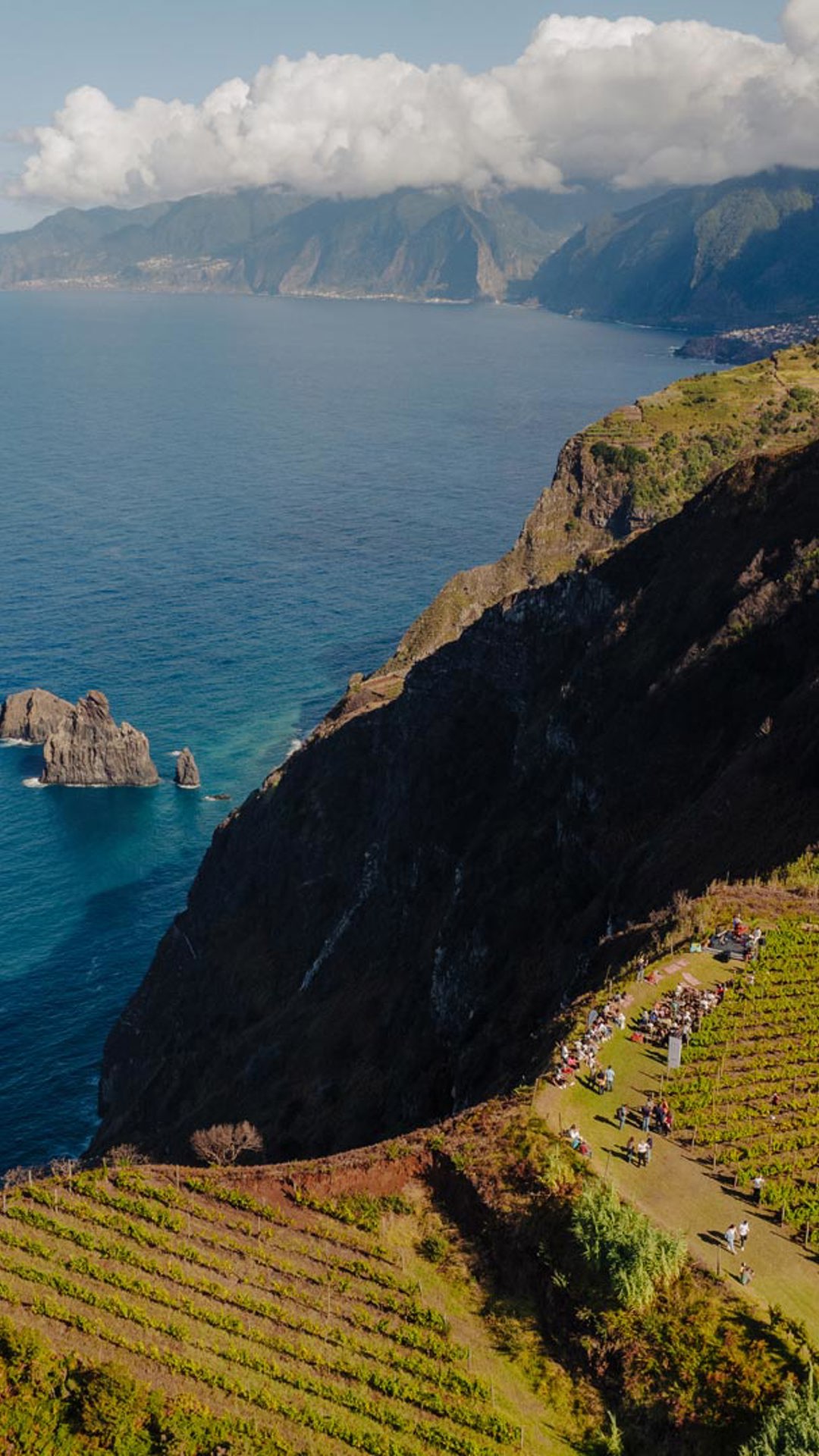
Discover a new expression of Madeira through fresh, elegant and authentic wines, shaped by the Atlantic and the mountains.
The history of wine in Madeira, spanning almost six centuries, is closely bound up with the history of the island itself and with Portuguese maritime expansion. The vine was introduced in the earliest days of settlement, in the 15th century, brought from mainland Europe and the Mediterranean region, and quickly adapted to the unique characteristics of Madeiran soil and climate.
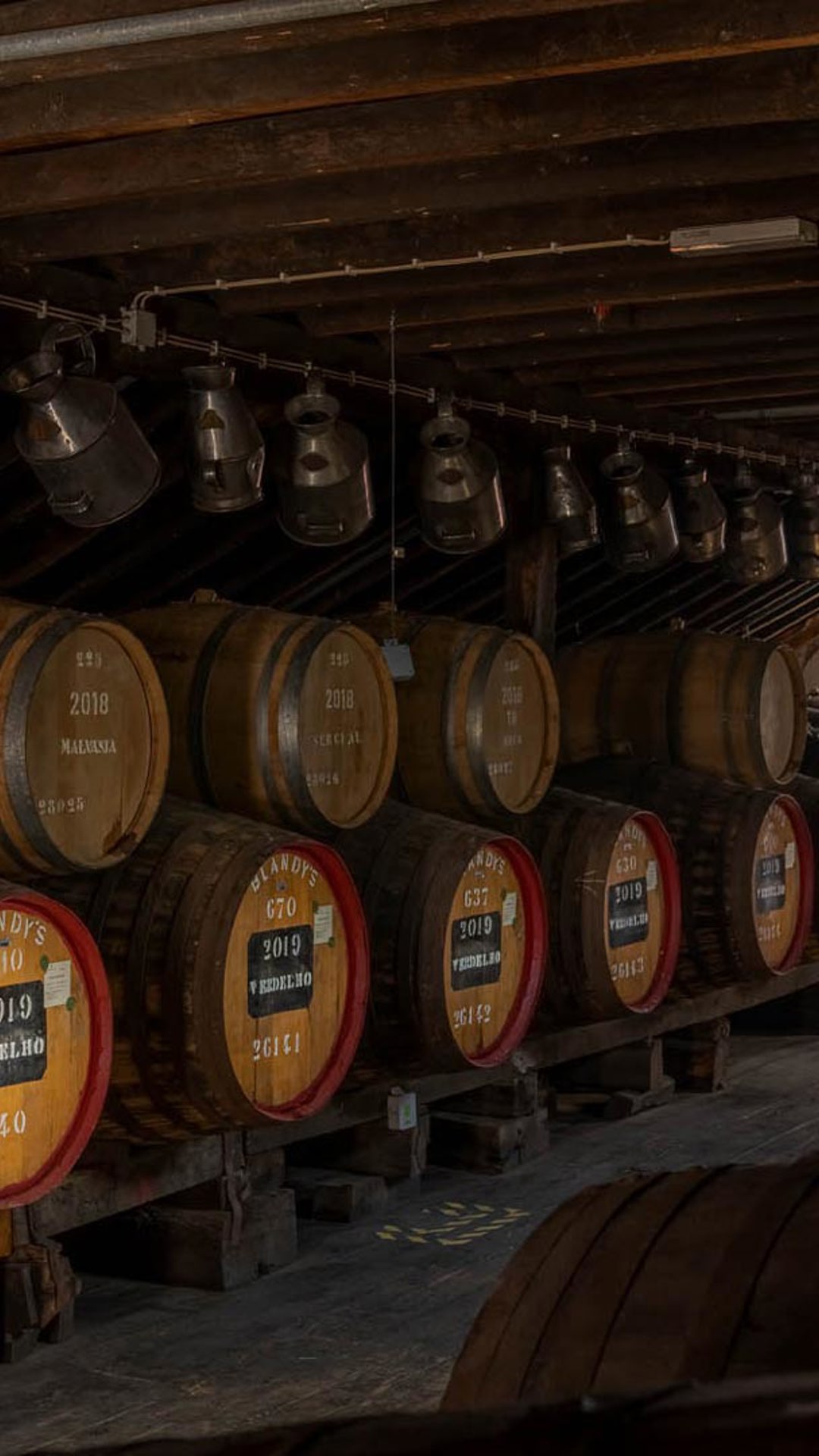

From early on, Madeira Wine played a central role in the island's economy. Thanks to its fortification process and its extraordinary keeping qualities, it proved ideal for long sea voyages and was exported to Europe, Africa, Asia and the Americas. Between the 17th and 18th centuries, it became a regular presence in some of the leading trading ports of the day, such as London, Amsterdam, Boston, Charleston and Philadelphia.

Over the centuries, it won a place of honour at the tables of European royalty, in collectors' cellars and along the great international trade routes. Its reputation has passed down through generations and continues to make it one of the most prestigious and widely recognised fortified wines in the world.
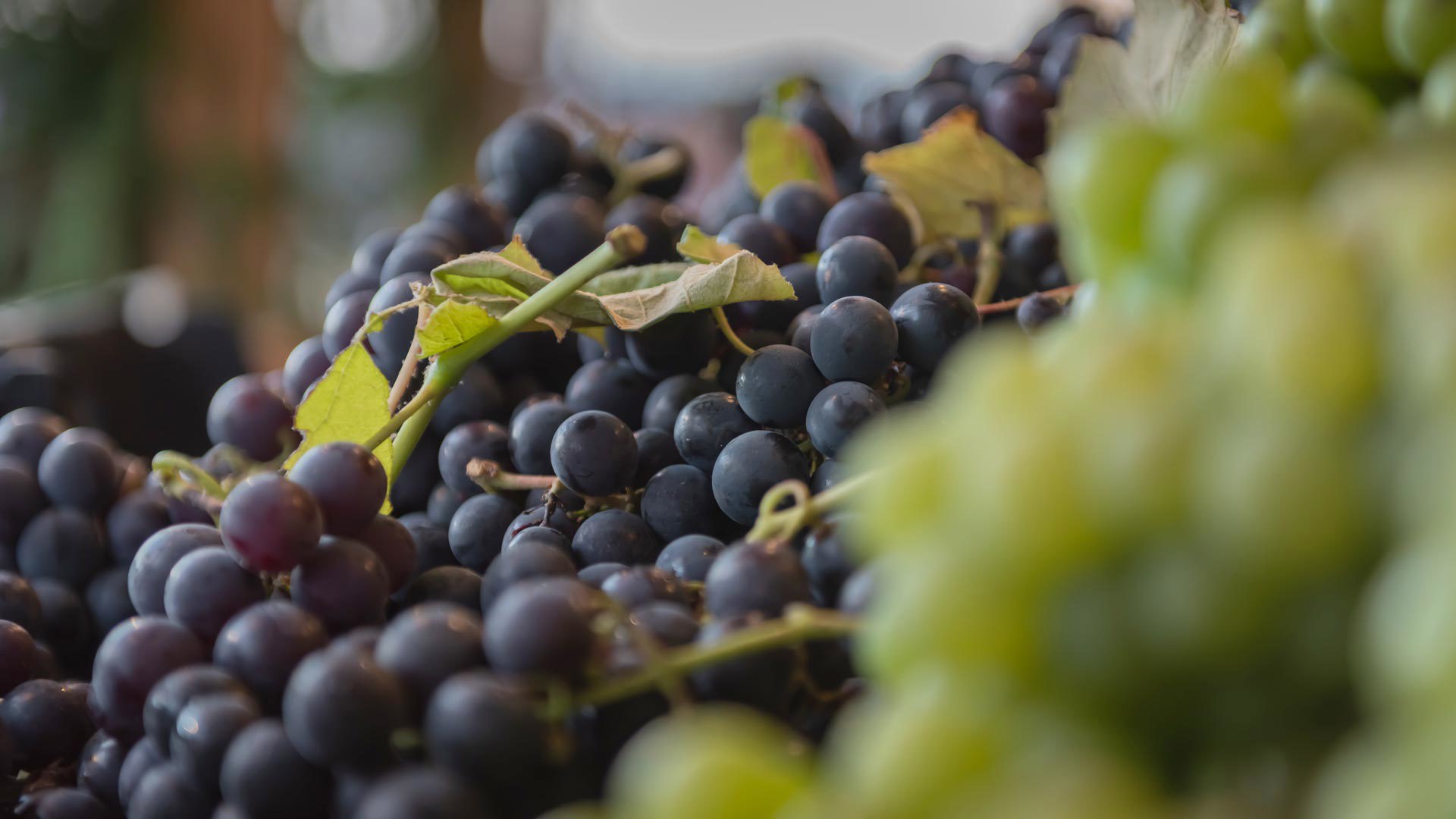
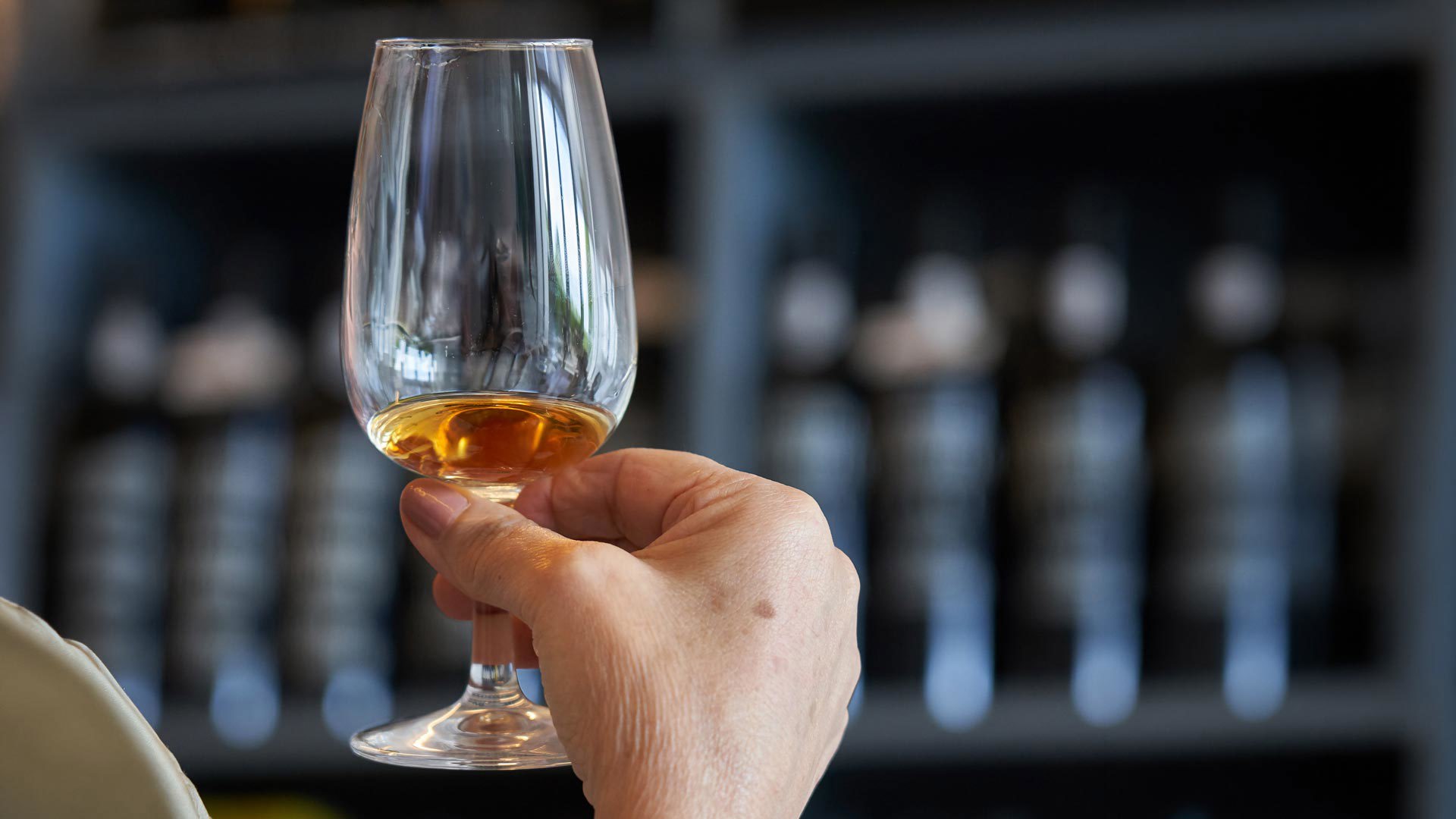
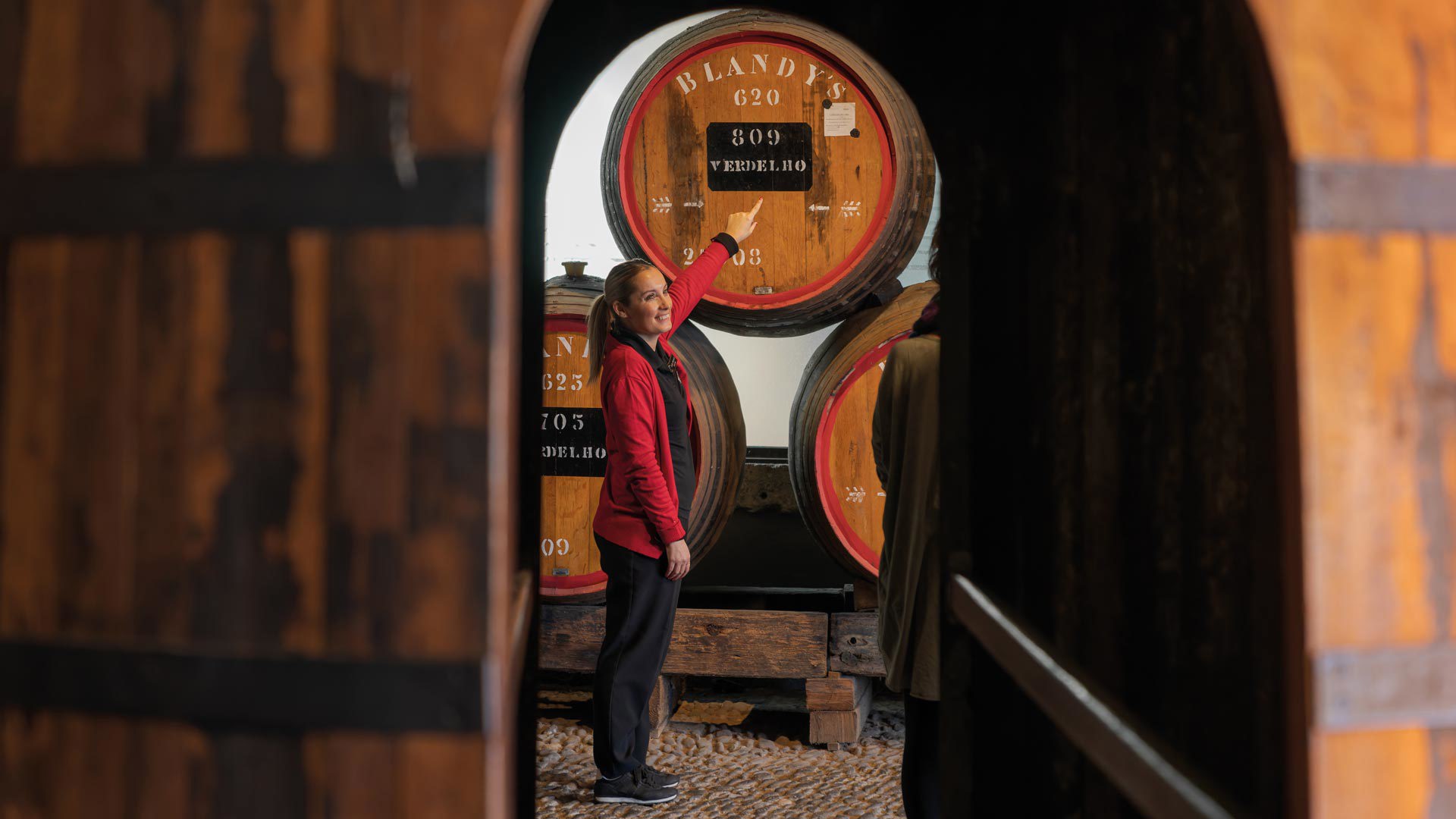
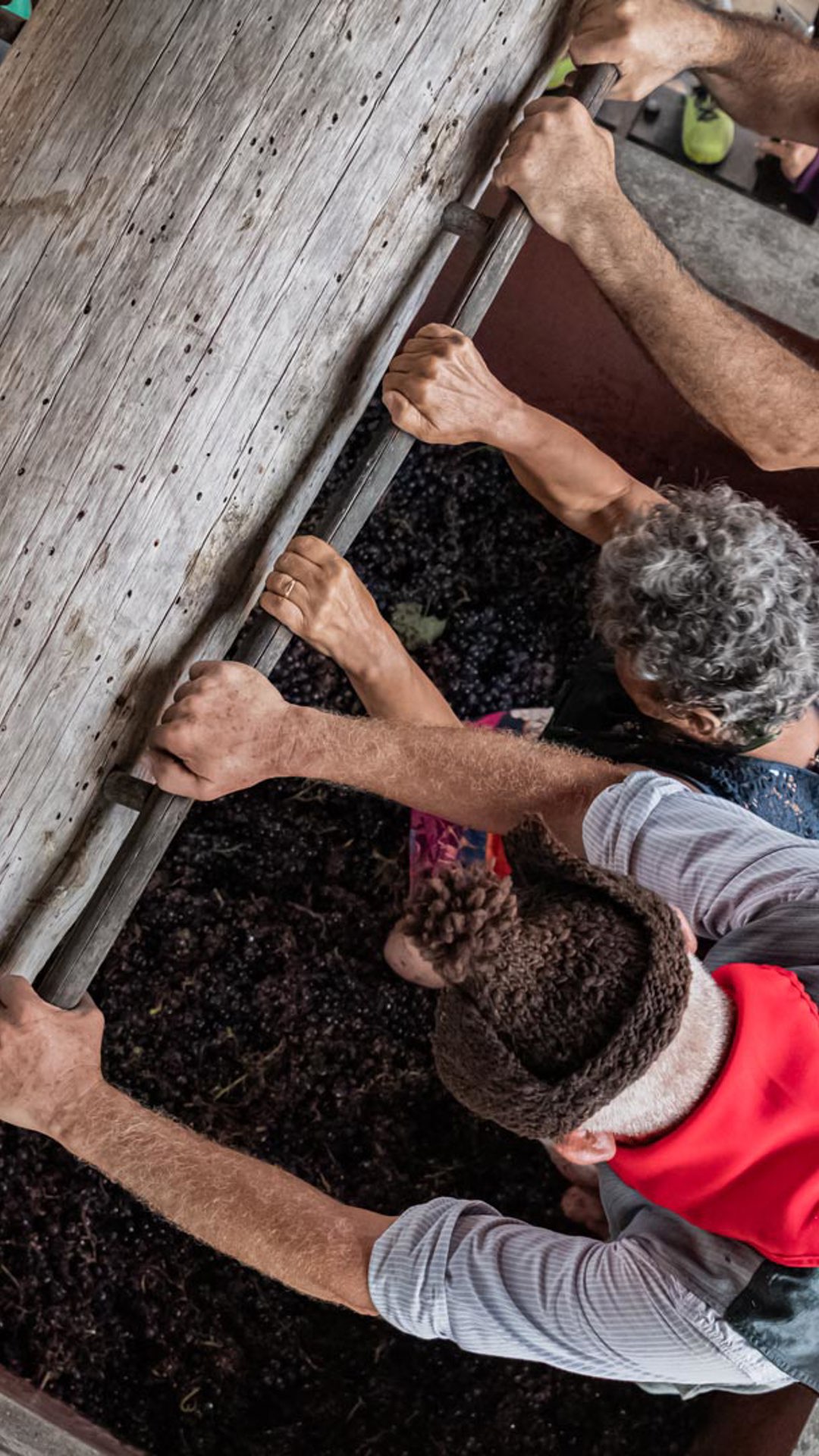
Madeira Wine is born in this archipelago thanks to unique conditions that cannot be replicated anywhere else:
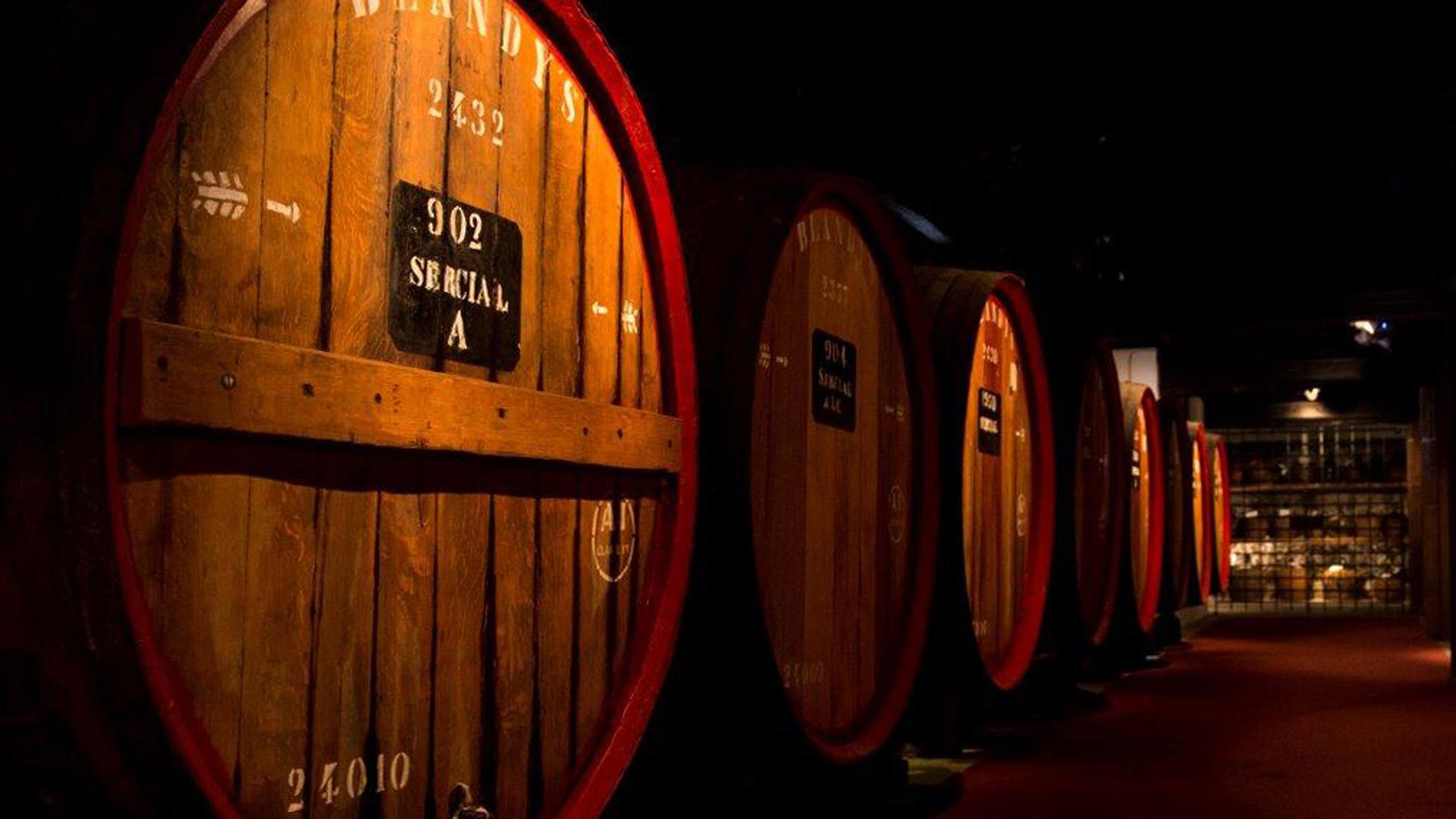
There are two traditional ageing methods: