Madeira’s gastronomy is one of the things that makes the island so special. Yet, for an outsider, some details can easily go under the radar. You might taste something delicious without fully understanding why it matters, or walk past a place locals cherish without realising its cultural significance. That is exactly why meeting a local and joining a food and cultural tour in Funchal was such a great idea.
This tour was not about fine dining or trendy spots. It was about context, tradition and discovering how Madeiran gastronomy has been shaped by history, geography and everyday life. Walking through the city with someone who truly understands it changes everything.
One of the most meaningful stops on the tour was Fábrica de Santo António, an institution deeply connected to traditional Madeiran food. Founded in the 19th century, this factory is best known for producing bolo de mel, one of the island’s most iconic sweets. What makes it special is not just the recipe, but the fact that it has remained largely unchanged for generations.
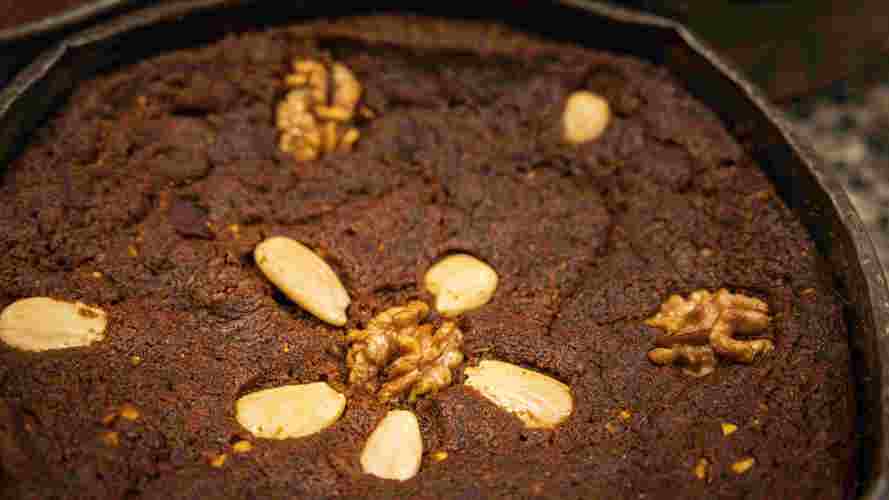
Bolo de mel is traditionally made with sugarcane honey, spices and nuts, and is closely associated with Christmas, although locals enjoy it throughout the year. More than a dessert, it represents continuity. Families pass it down through generations, break it by hand rather than cutting it, and associate it with gatherings and celebrations.
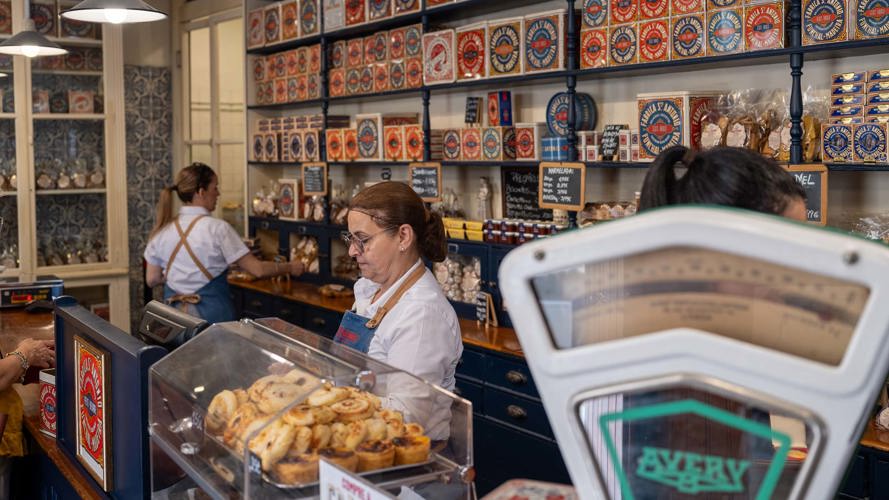
Visiting Fábrica de Santo António added real depth to the experience, showing how food can be both everyday and ceremonial at the same time. As a photographer, I also found the shop visually stunning. Located just outside the Old Town, it truly feels like stepping back in time.
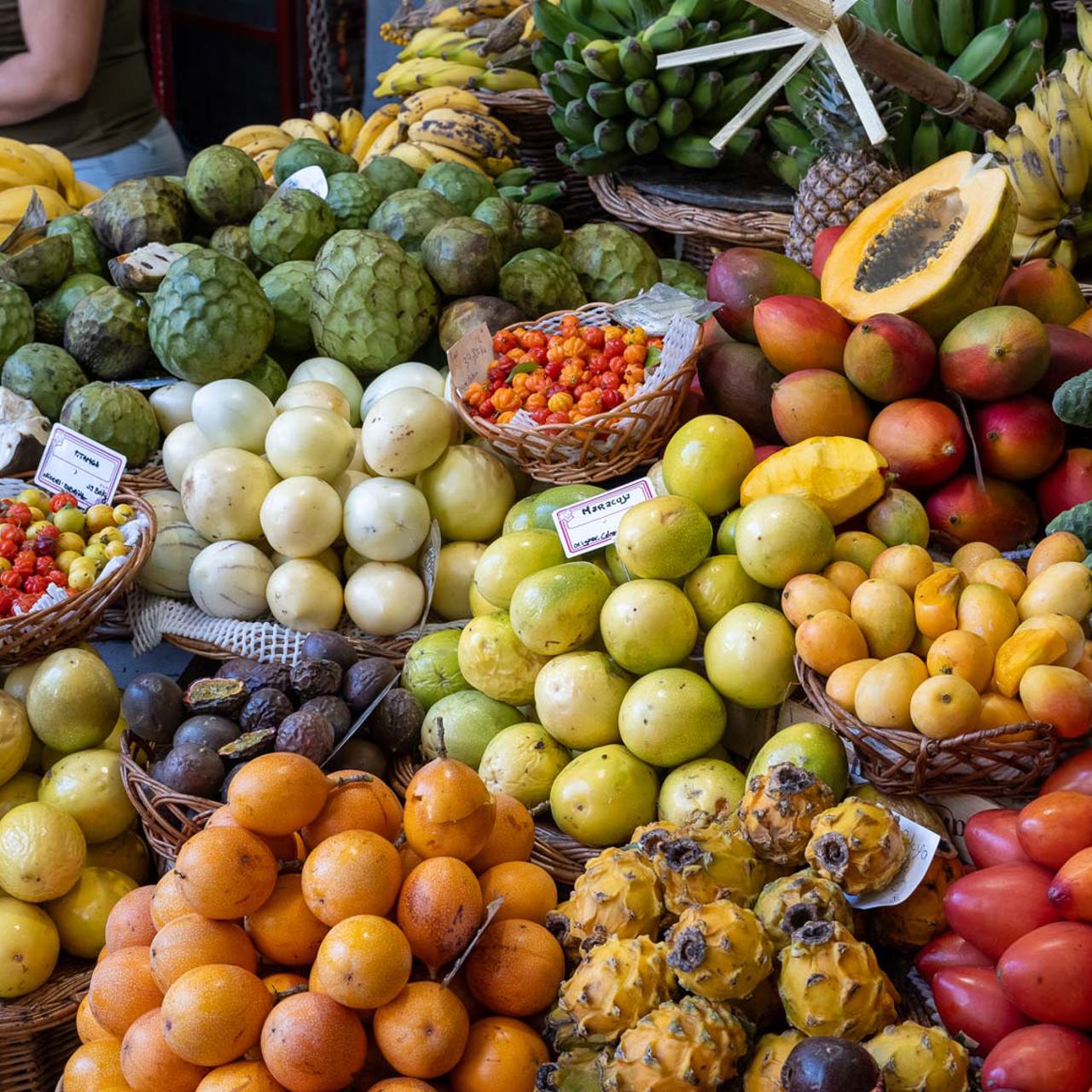
No exploration of Madeira’s gastronomy would be complete without a visit to Mercado dos Lavradores, Funchal’s Farmers’ Market. Built in the 1940s, the market was designed to showcase the island’s agricultural richness and, to this day, remains a central part of daily life in the city.
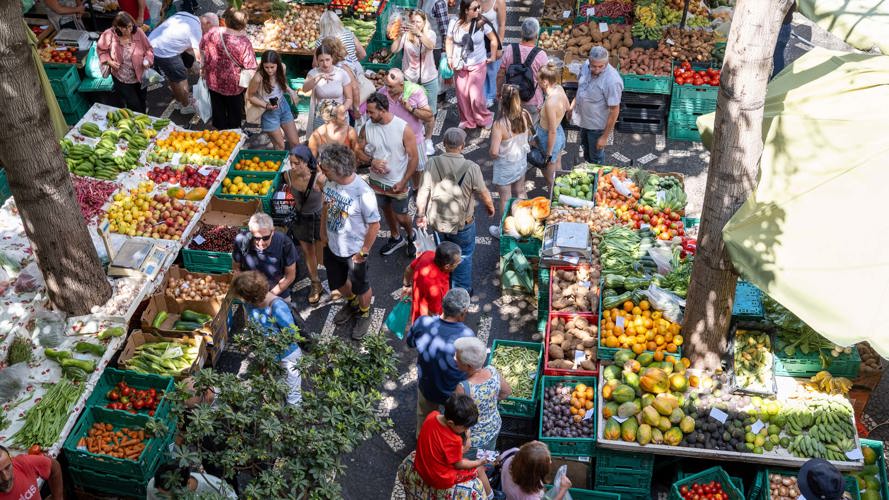
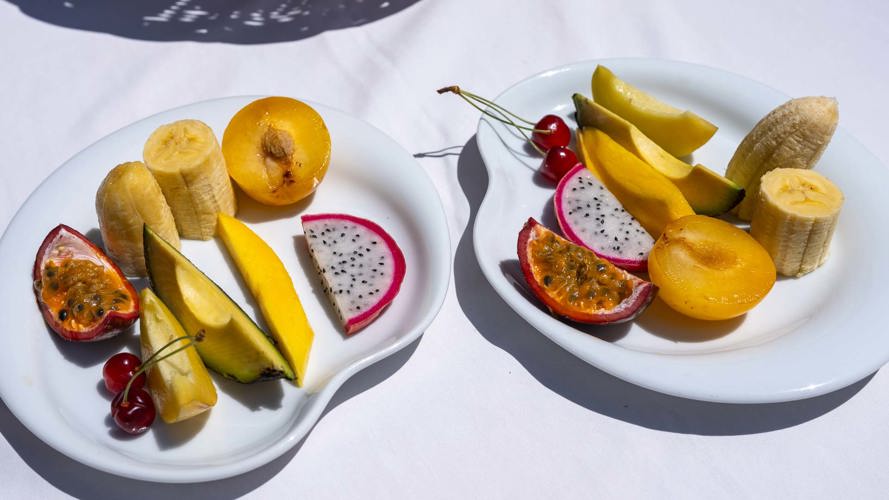
Tropical fruits that many visitors may never have seen before sit alongside familiar vegetables, fresh herbs and flowers. We were lucky enough to taste bananas, avocados, mangoes, passion fruit and pitaya on the market’s rooftop.
Beyond the stalls, the market reflects Madeira’s long-standing reliance on small-scale farming and local production. For centuries, the island had to be self-sufficient, and that reality shaped a cuisine that is resourceful, seasonal and deeply connected to the land.
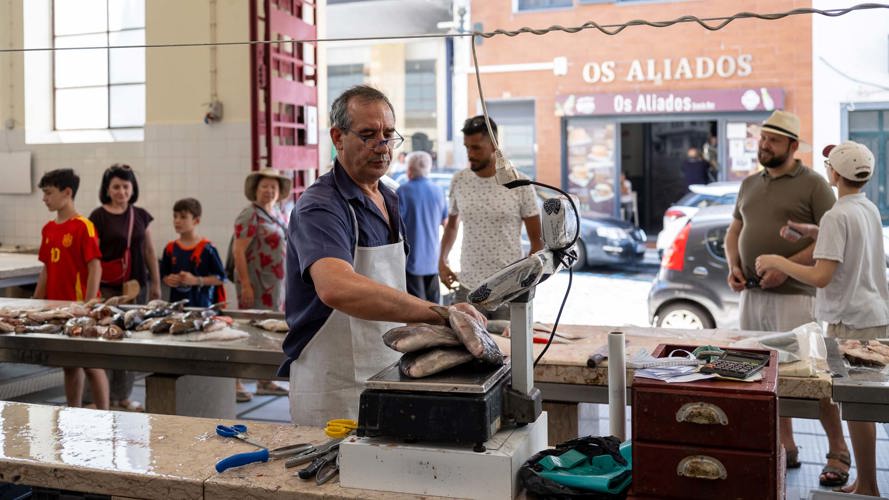
The seafood section blew me away. Be sure to look out for Madeira’s famous –admittedly rather ugly, but delicious – black scabbardfish (espada). Having already eaten it several times on the island, I can see why it appears on so many menus.
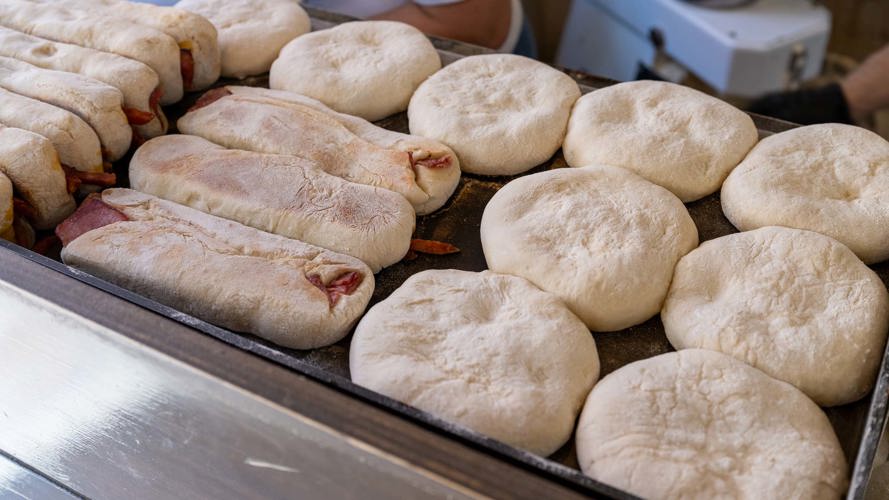
One of the foods I loved most during our walk was bolo do caco. This simple bread, traditionally cooked on a stone slab, is present at family meals, celebrations and casual gatherings. It perfectly reflects the spirit of Madeiran gastronomy: humble, practical and deeply satisfying.
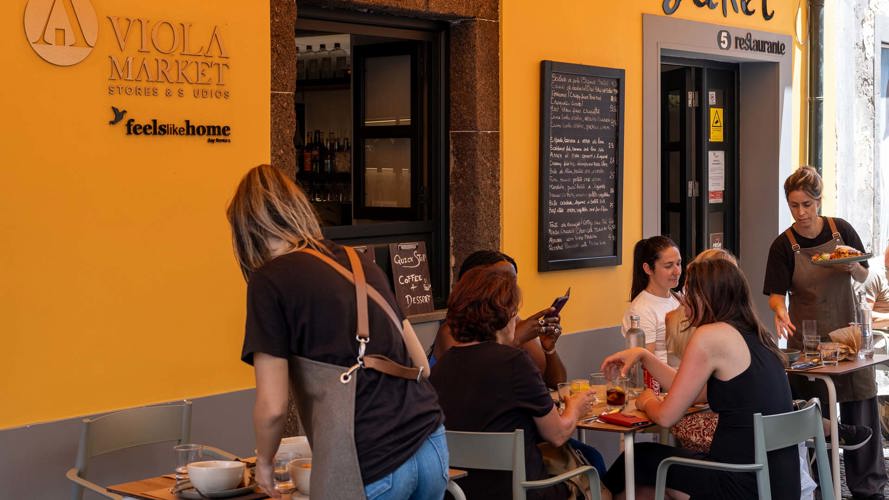
Our final stop was Jaket, a restaurant I had been hearing about throughout the trip. As we walked through the Old Town, it was clear that we had arrived at the right place. It was buzzing at lunchtime, with locals and visitors sitting both inside and out.
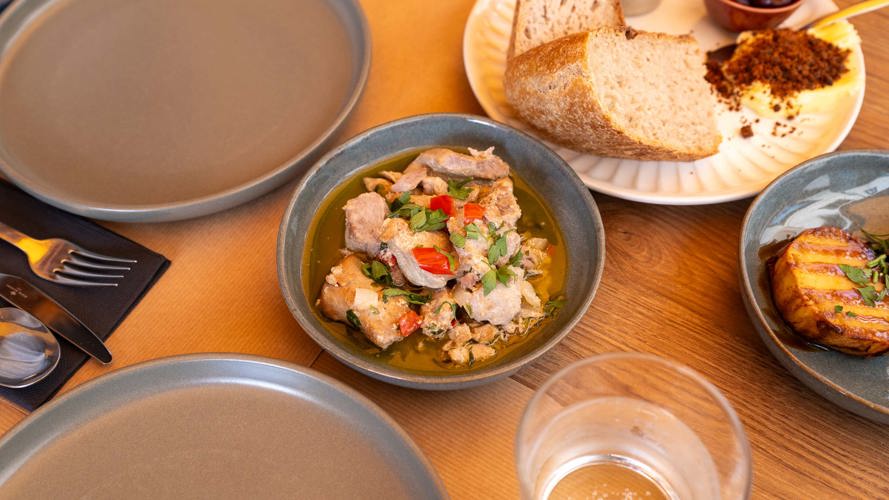
Chef Júlio Pereira was there to greet us and joined us for a glass of local wine while we talked through a menu that celebrates Madeiran cuisine. We tried carne de vinha d’alhos – Madeiran marinated pork served with pickled onions – as well as slow-cooked meat croquettes, tuna with sweet potato, bread and olives. The main courses range from meat and fish dishes to seafood rice and Madeira’s iconic black scabbardfish with banana.
The restaurant also has a welcoming bar area just by the entrance, where you can simply stop for a drink. Its wine list celebrates local producers, while desserts such as pineapple with Madeira wine are a real highlight. This was one of my favourite spots on the trip. It felt like the kind of place I would return to again and again if I were spending more than a week on the island, simply to enjoy the food and soak up the atmosphere.
These local food experiences are about connection: between past and present, between land and table, and between visitors and locals.
By the end of the tour, Madeira’s gastronomy no longer felt like a collection of dishes. It felt like a living expression of the island’s identity. For anyone visiting Funchal, this is a wonderful way to discover its gastronomic side.