Wine Madeira Producer
Blandy's Wine Lodge
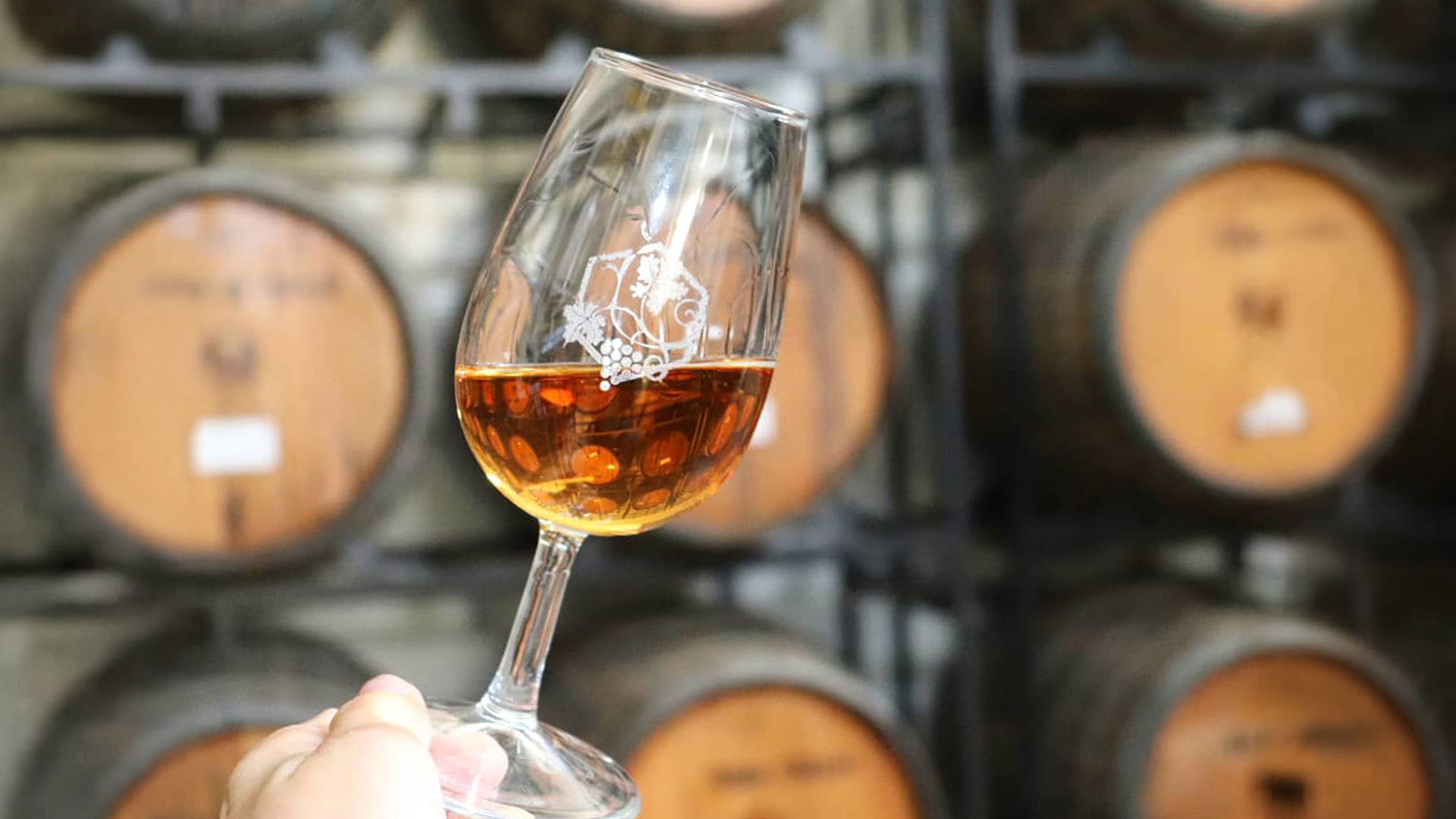
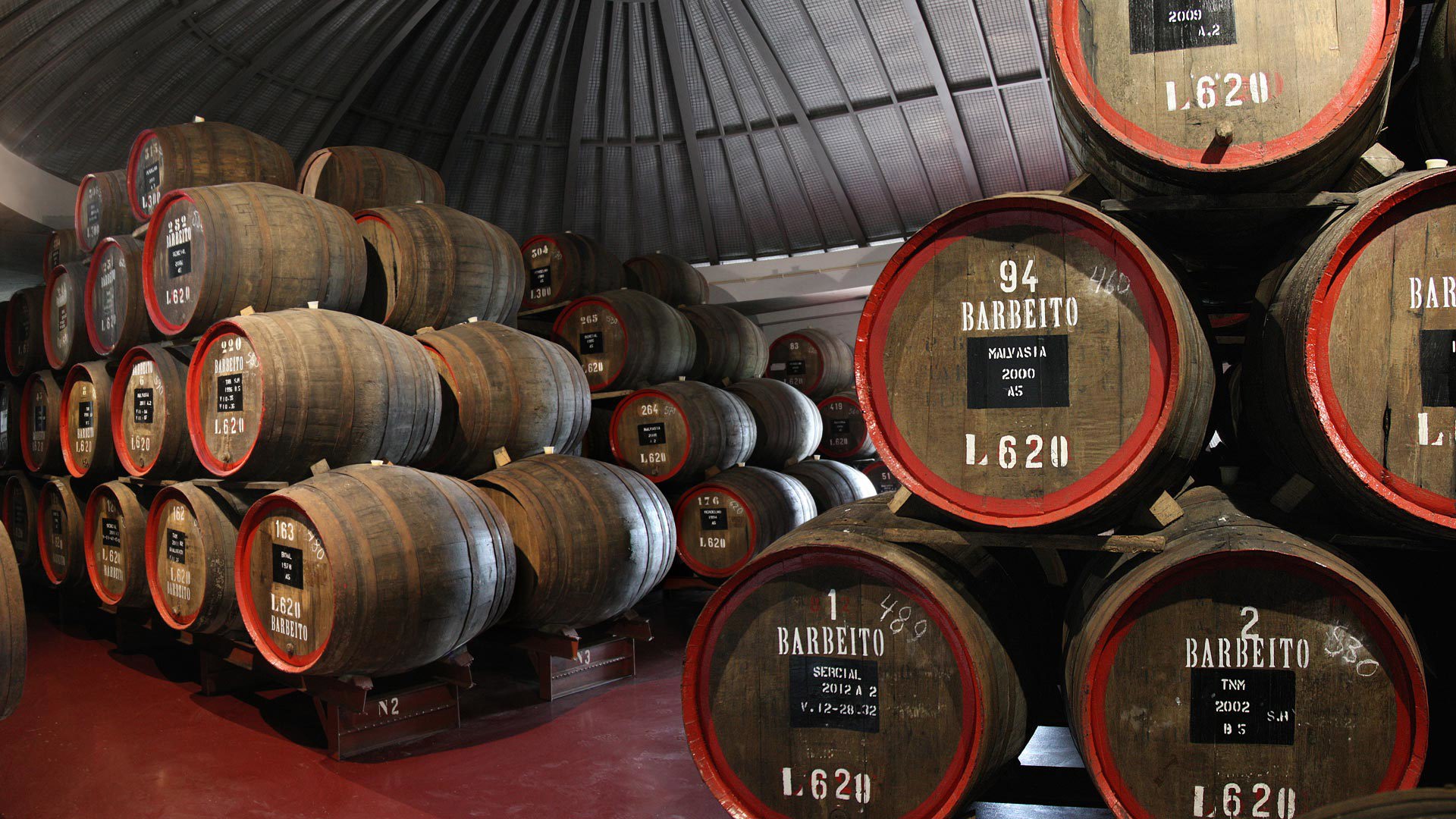
Blandy's Wine Lodge wineries have been ageing Madeira's best wines in the traditional way for seven generations.

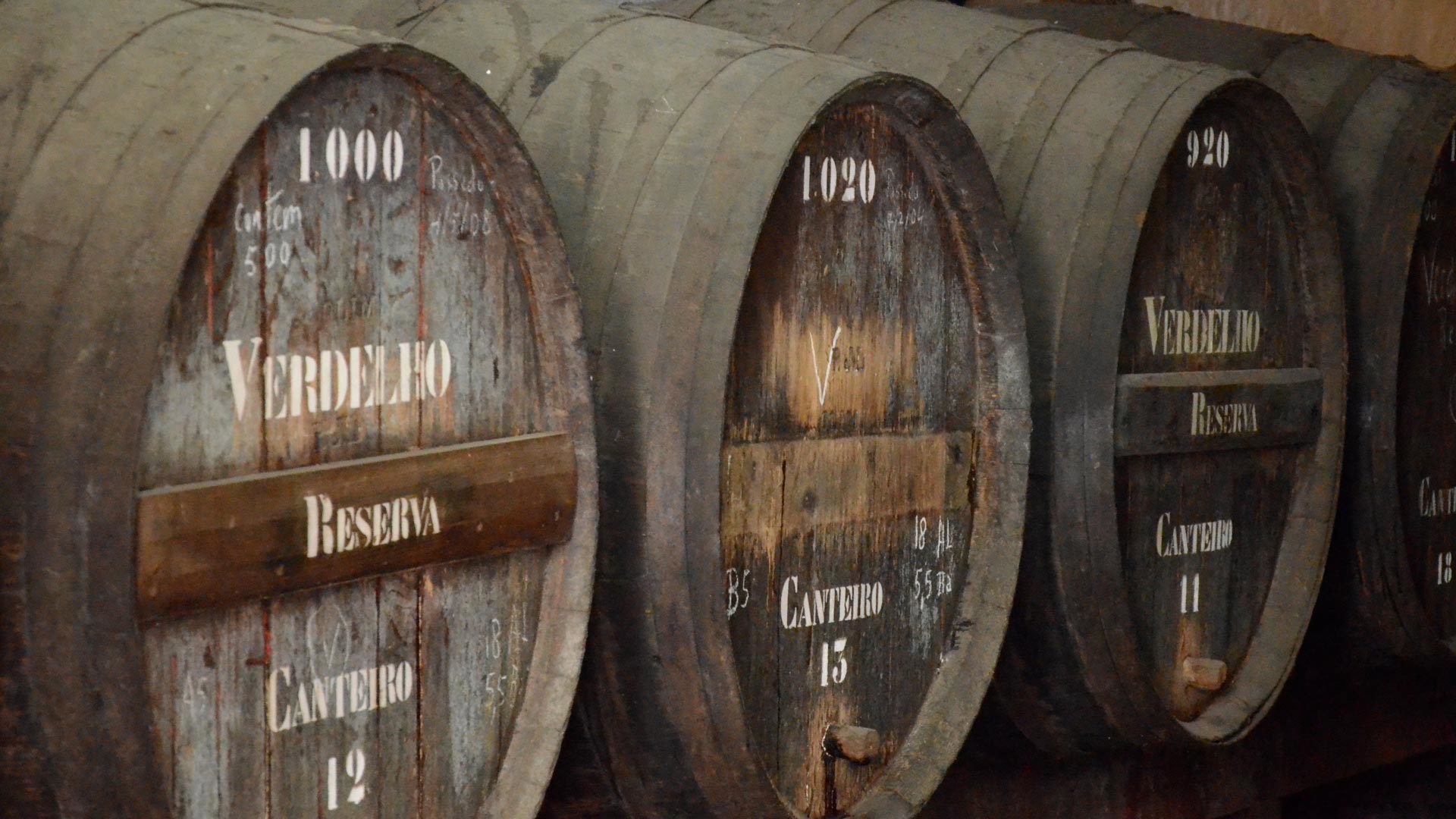
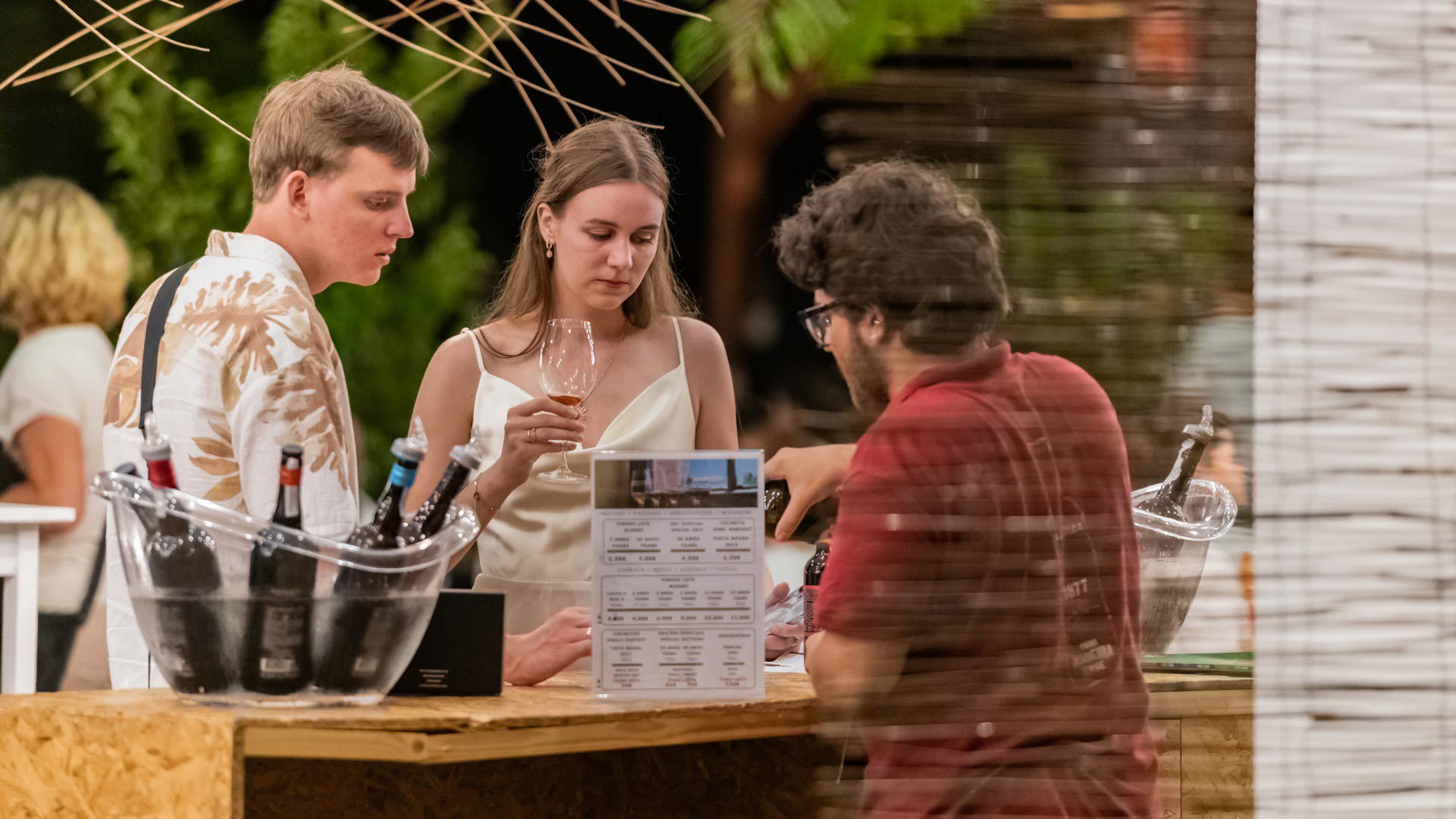
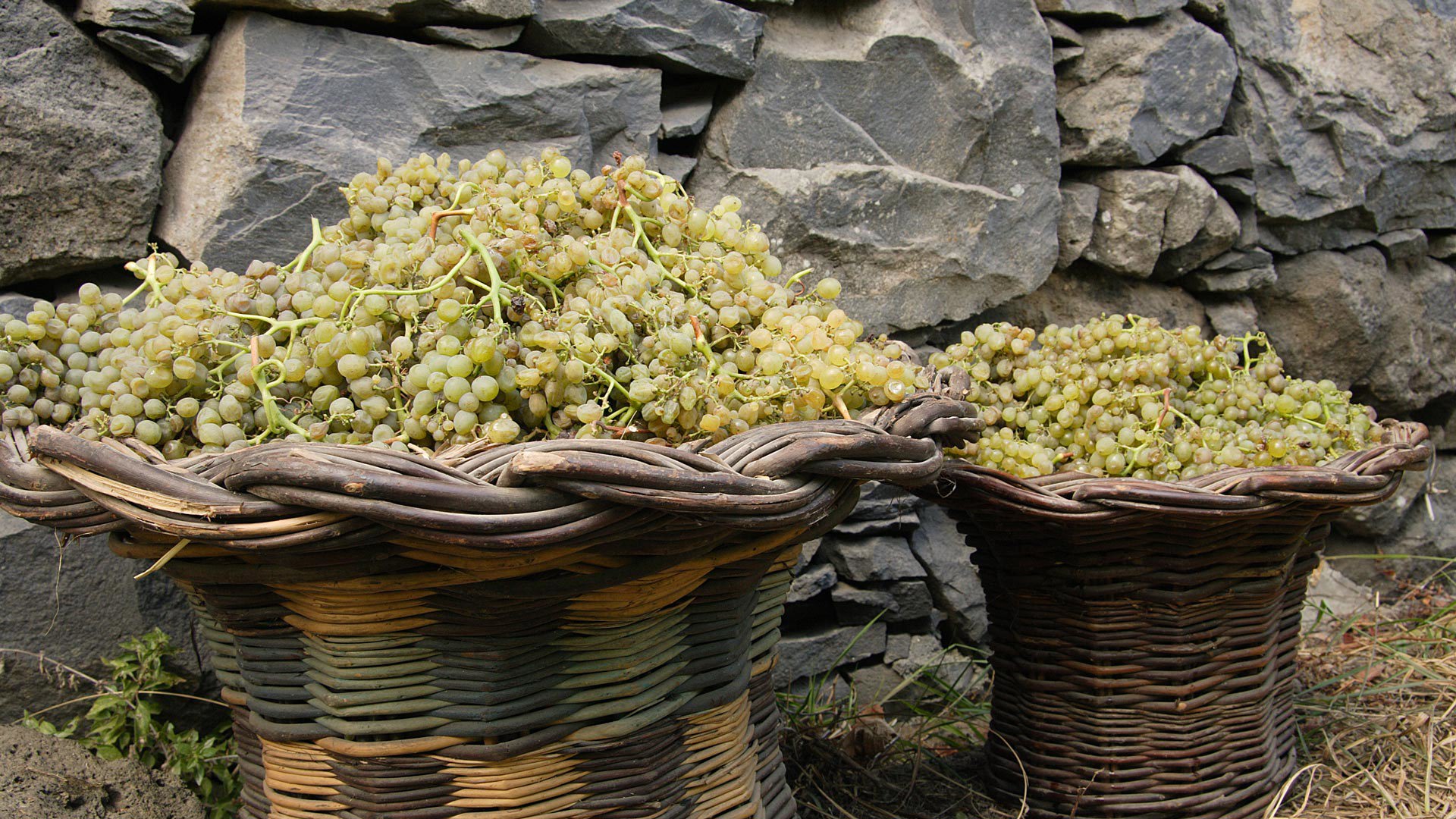
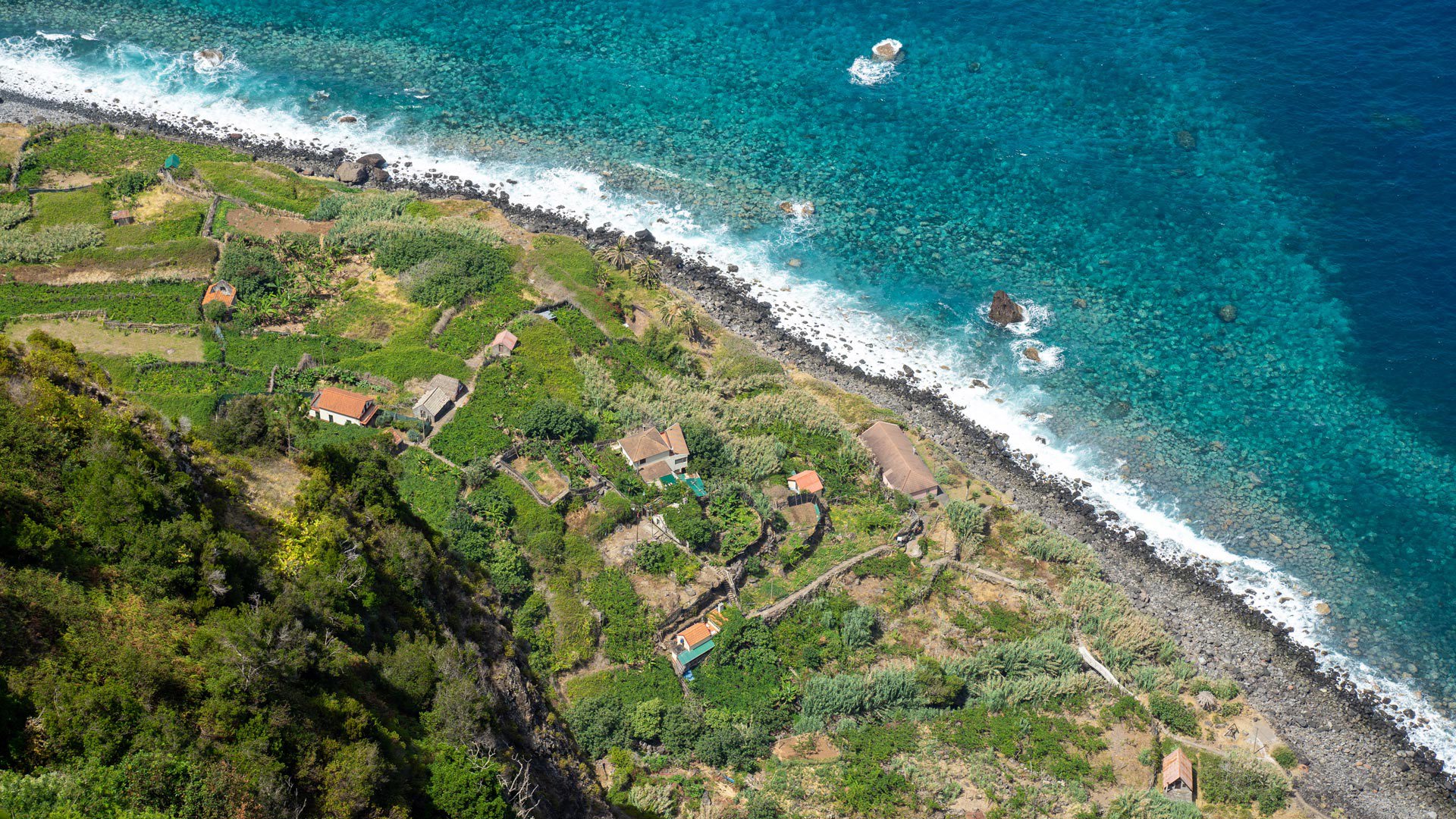
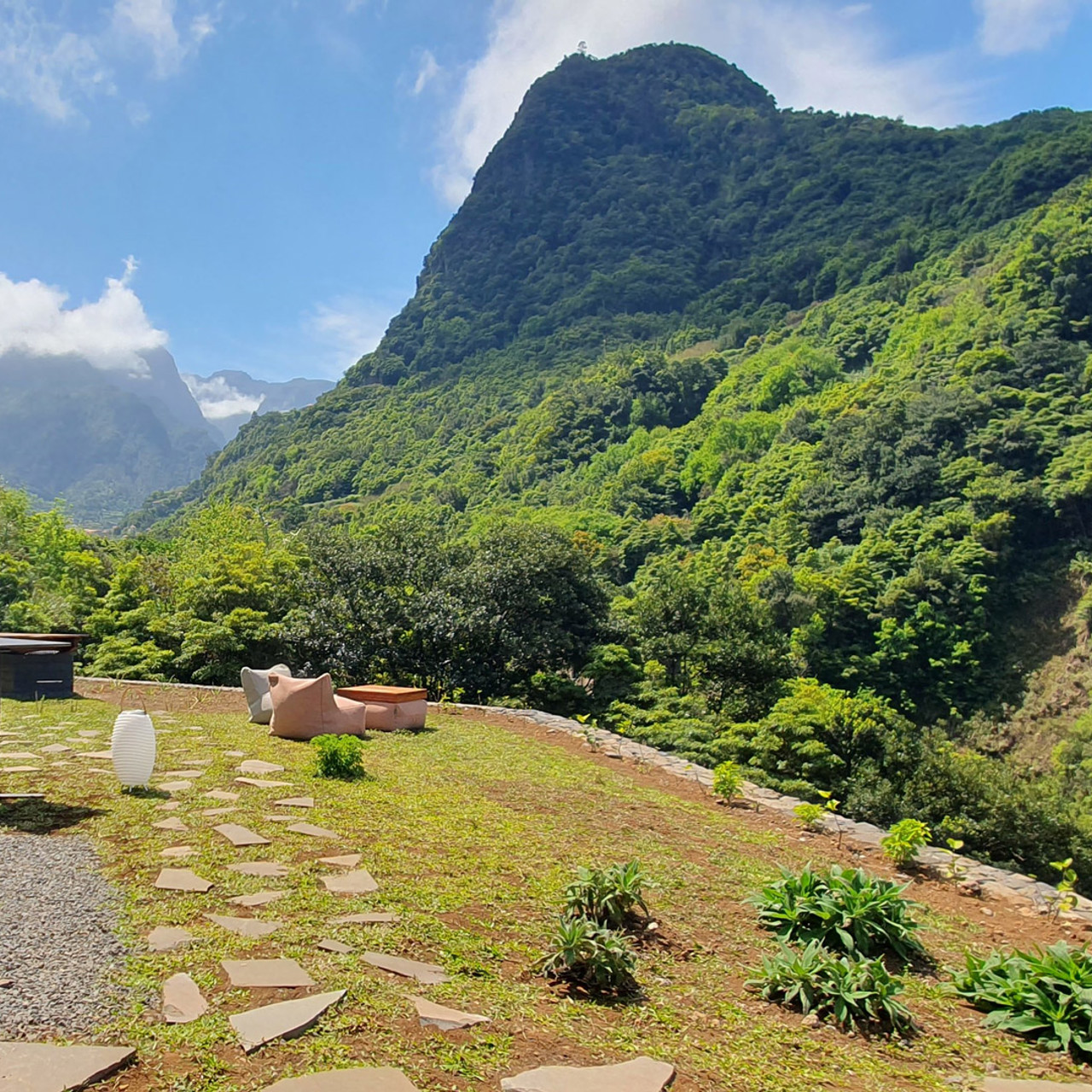
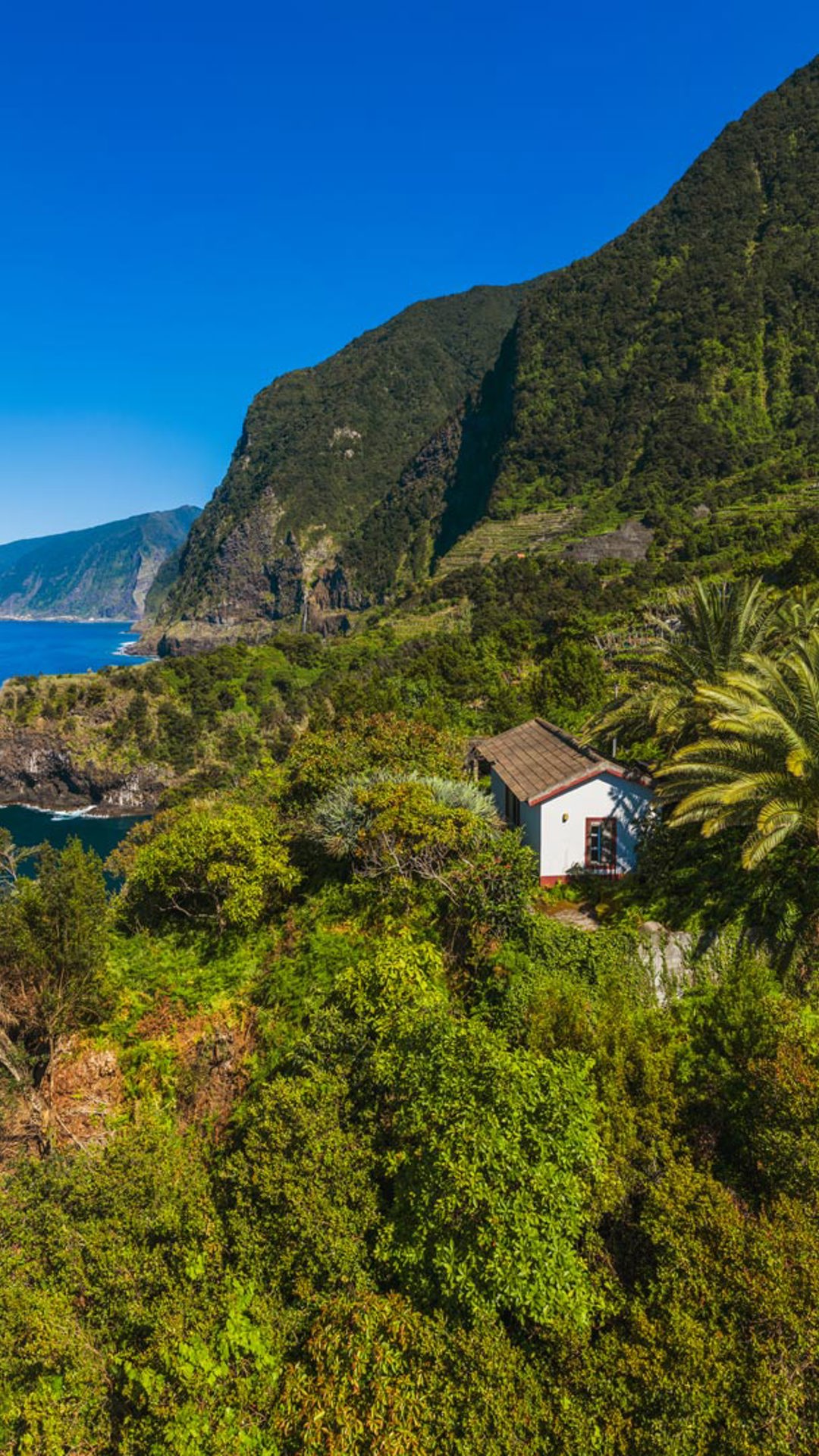
From the sheer cliffs to the fajãs at the water's edge, the North Coast offers some of the most striking wine landscapes in Madeira. Here, the vines share the terrain with the Laurissilva forest, the mountains and the Atlantic, creating scenery of rare beauty.
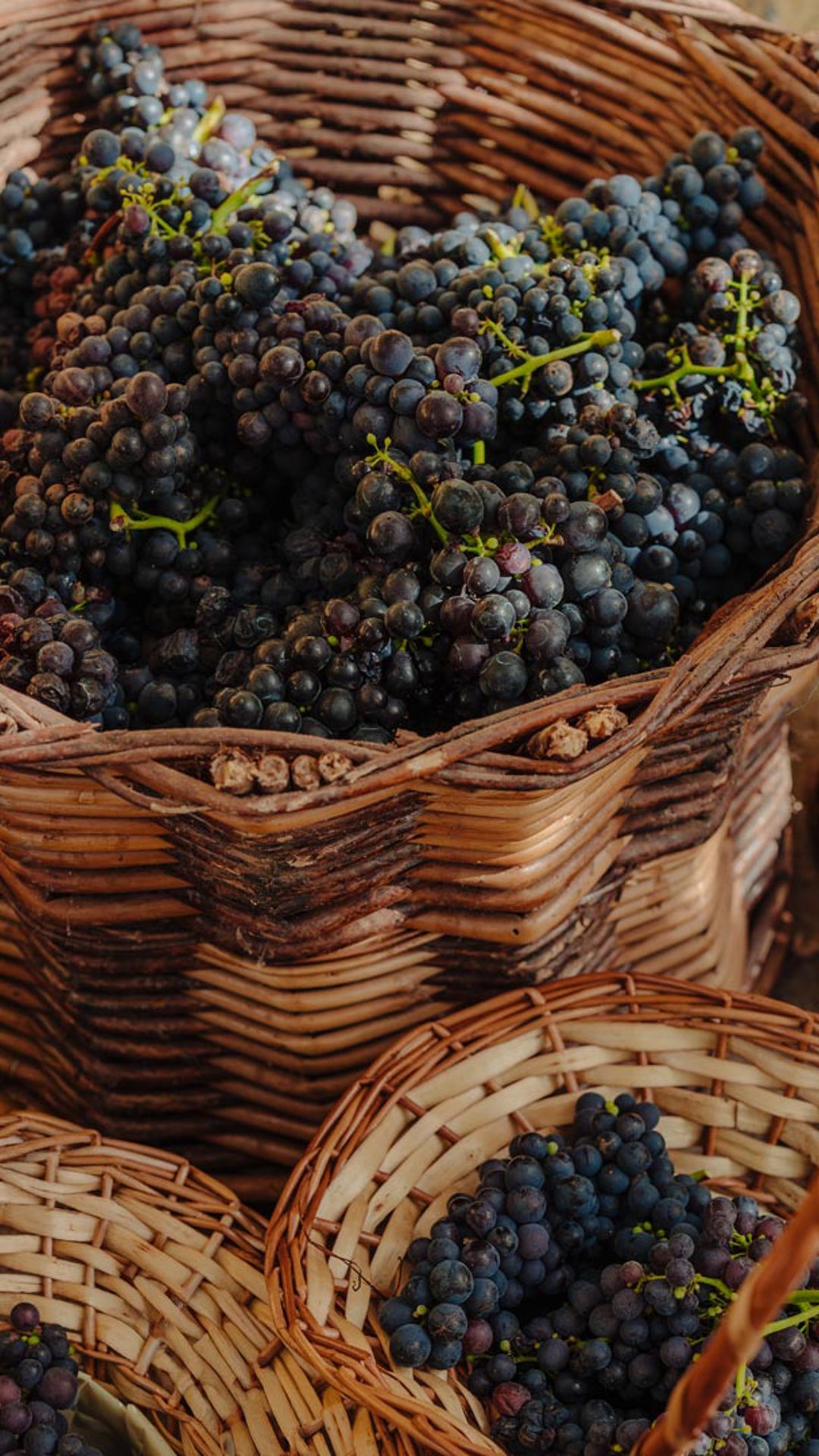

São Vicente is one of the municipalities where vine growing has left the deepest mark on the landscape. At Ginjas, the vines spread across both slopes of the valley, forming a green tableau that follows the mountainous relief. At Achada do Til, in the Lombo area, the eye travels across a valley where vines, traditional houses and churches sit harmoniously together, with the sea as a backdrop.
Beyond its scenic wealth, São Vicente stands out for the diversity of grape varieties grown there, used in the production of both Madeira Wine and still wines.
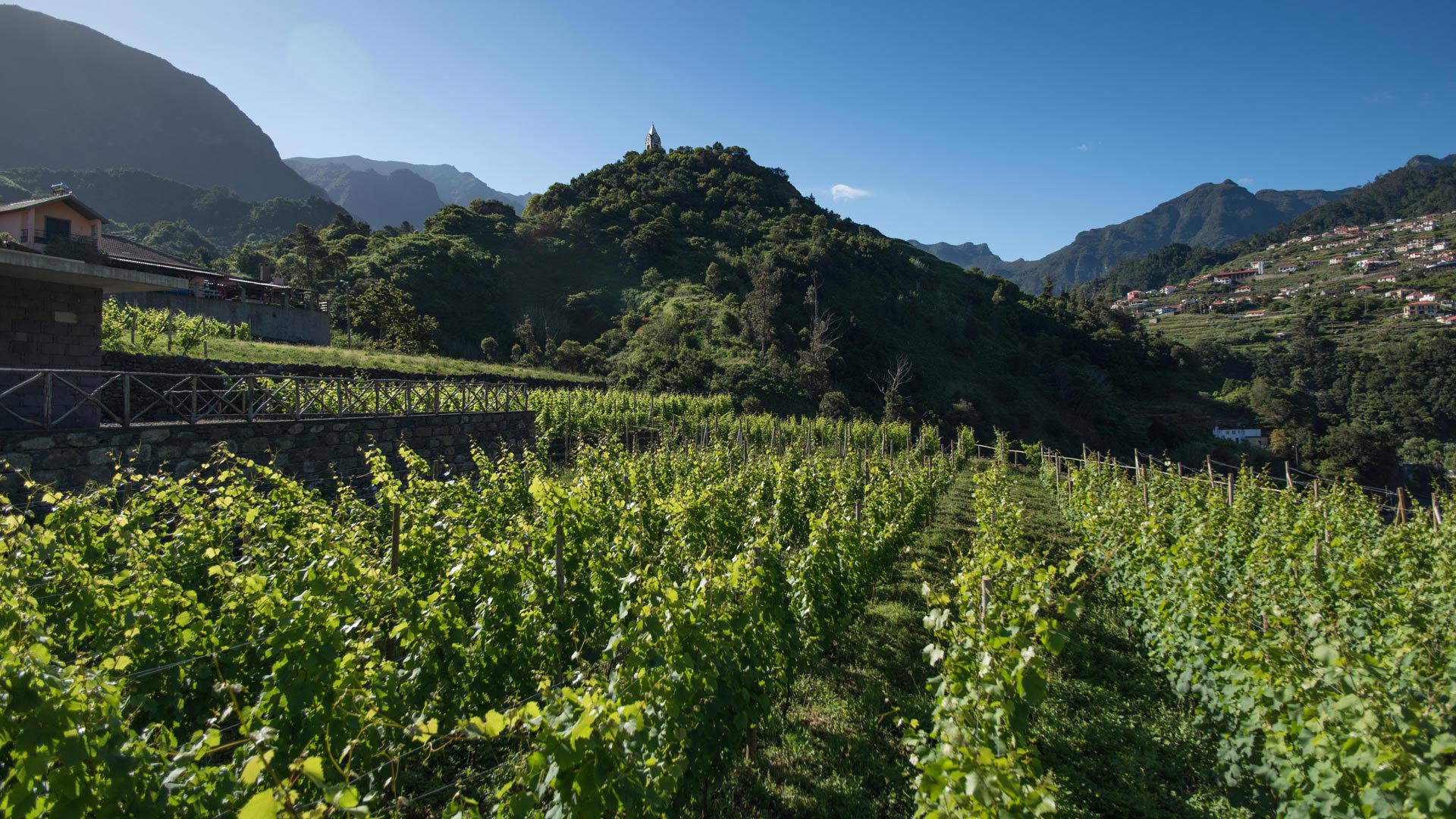
Along the road linking São Vicente to Seixal, the vines follow the coastline on terraces held up by stone walls, often just a few metres from the sea. It is one of the most characteristic images of Madeiran viticulture.
The Véu da Noiva viewpoint offers a privileged perspective over this landscape, while Chão da Ribeira reveals a completely different setting, where vines coexist with the Laurissilva forest in a valley of great natural richness.
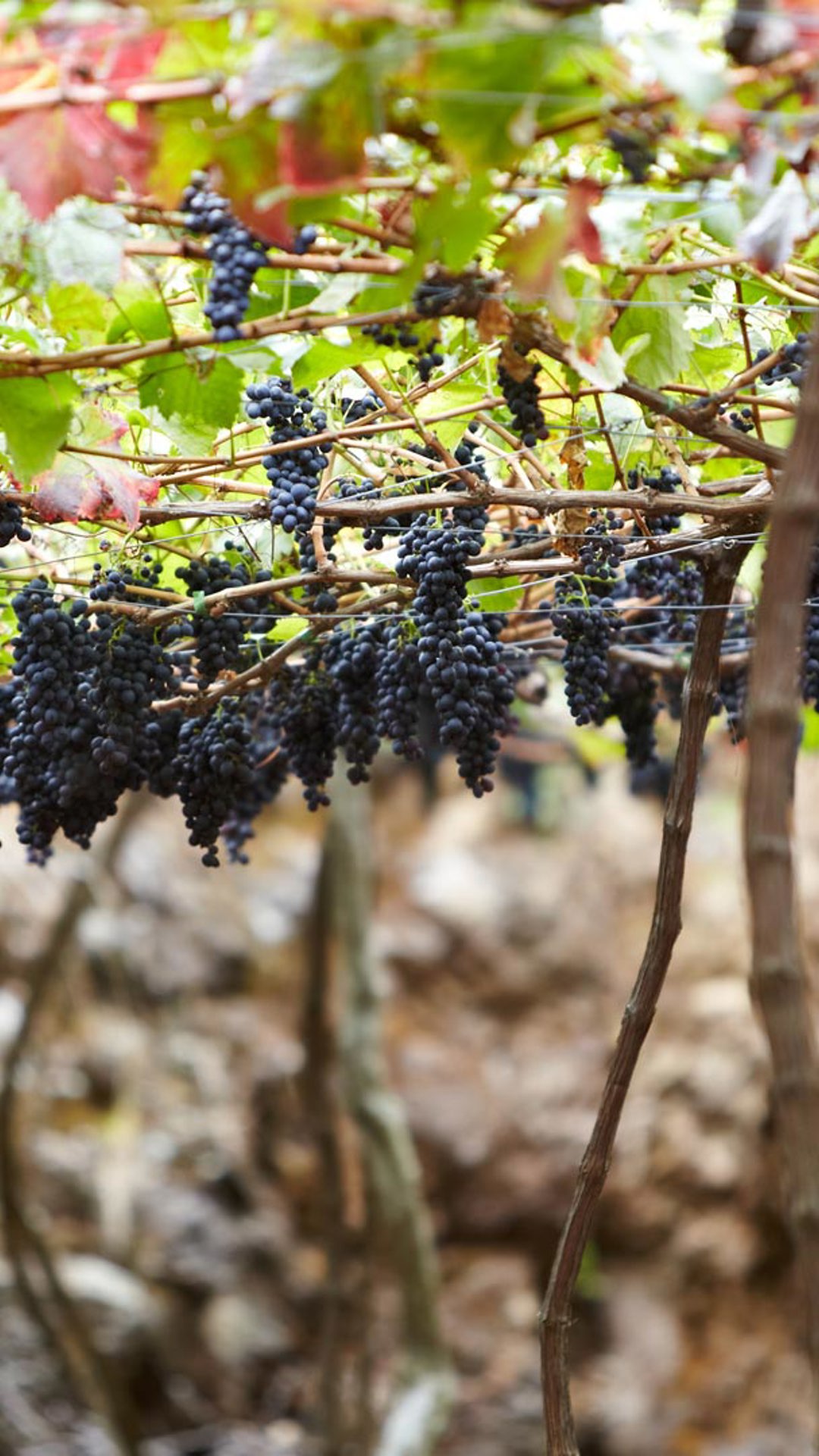

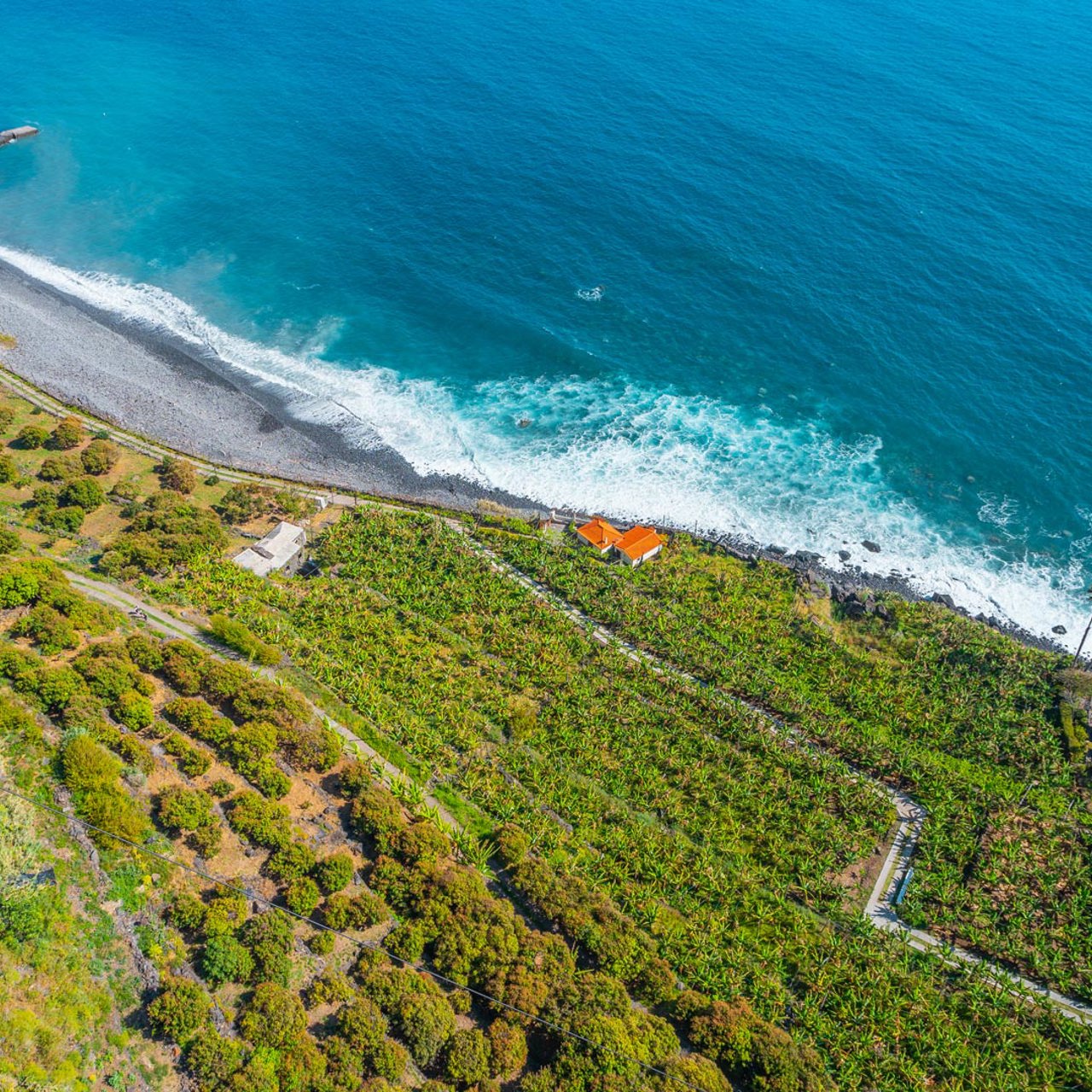
Sheltered from the wind and bathed in constant sunshine, the South Coast brings together some of the most emblematic wine landscapes in Madeira. From the fajãs beside the sea to the high-altitude vineyards, this is where a significant part of the Region's production is concentrated, and where tradition, innovation and wine tourism go hand in hand.

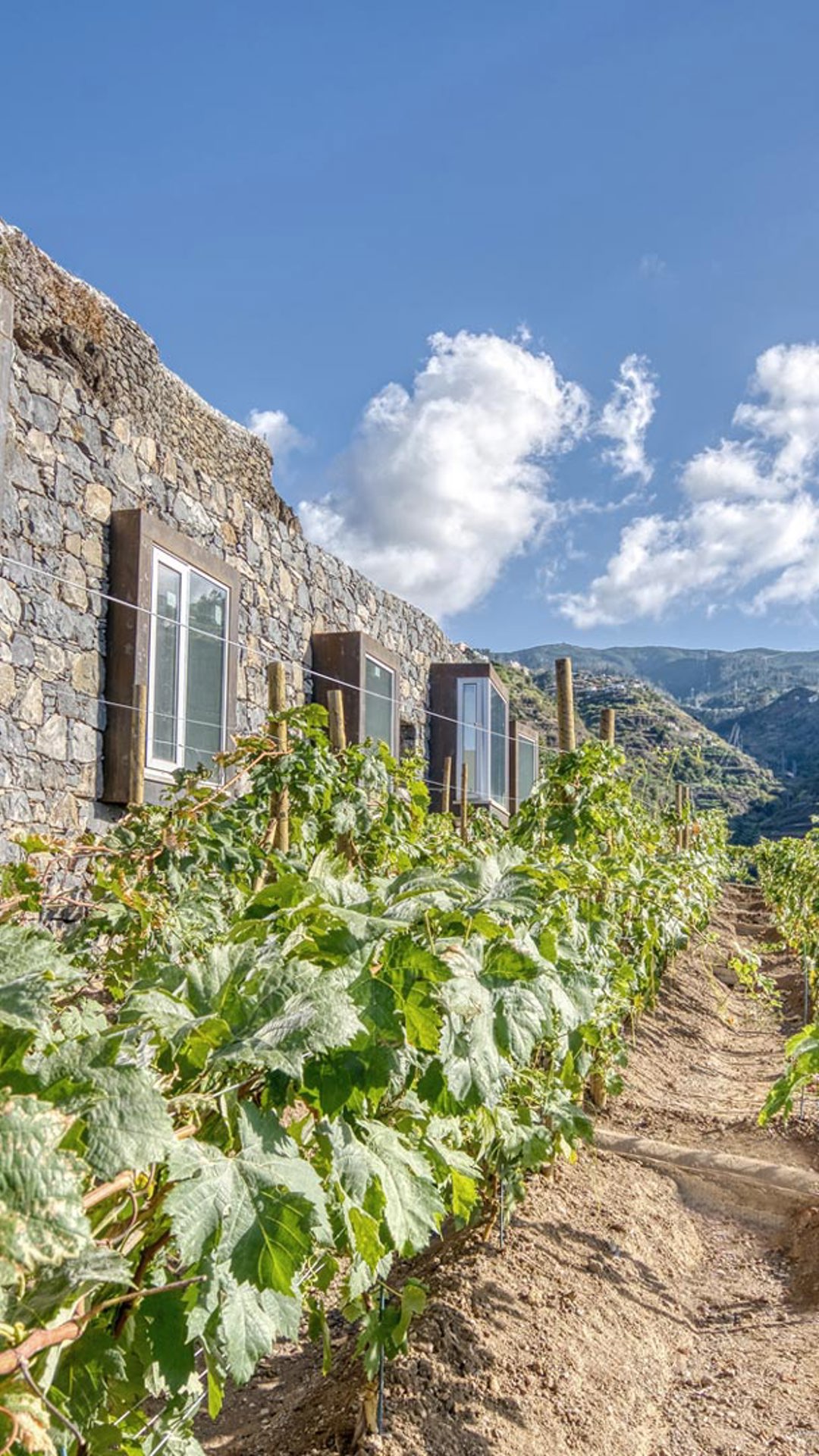
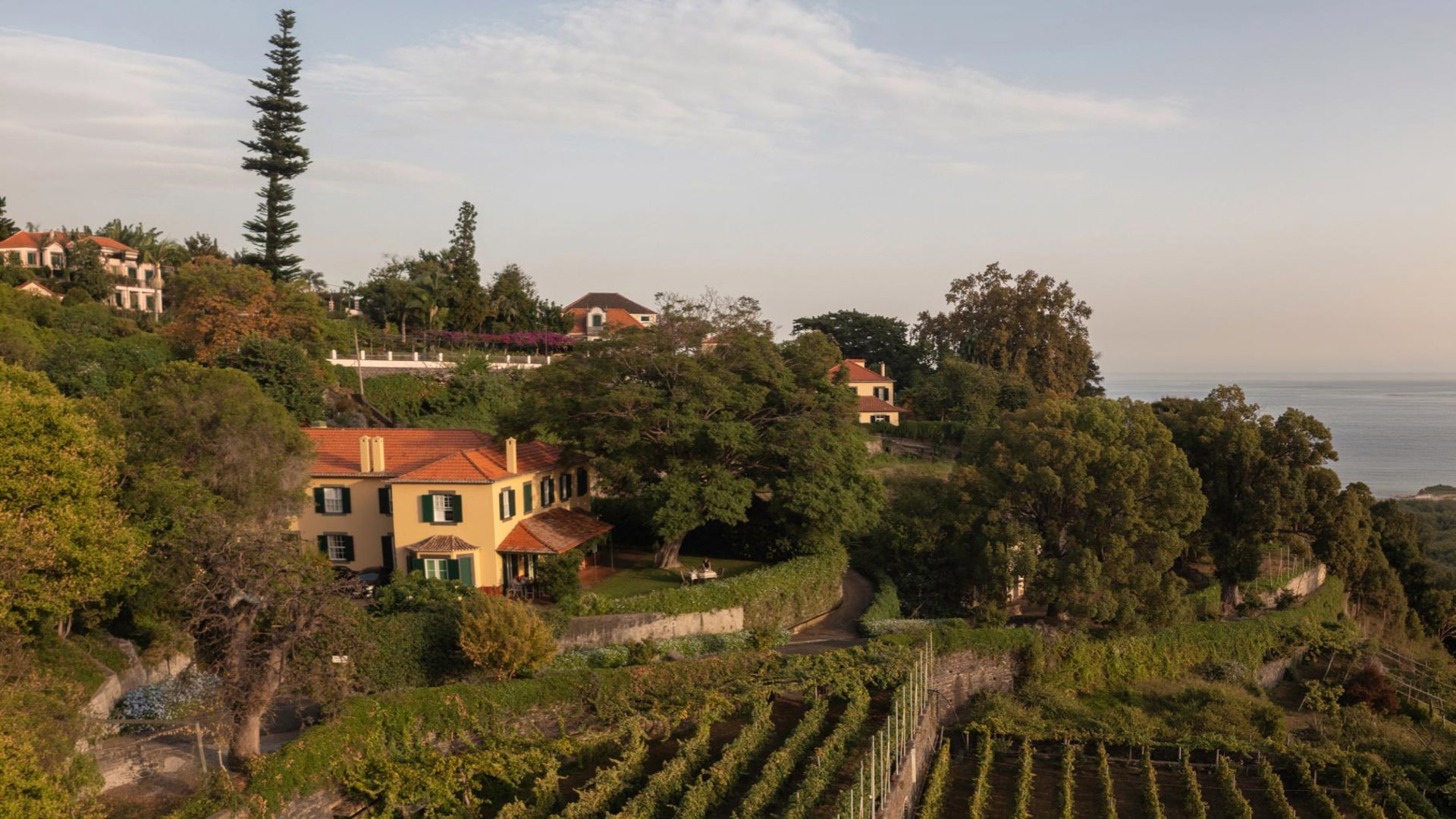
In Calheta, the vine is part of the landscape and follows the sun-drenched slopes facing the Atlantic. Among terraces and small plots, the wine-growing tradition remains very much alive here. The municipality is home to some of the most significant production areas on the south coast of Madeira, notably Estreito da Calheta and Lombo do Doutor, where varieties such as Boal, one of the most emblematic in the Region, predominate.

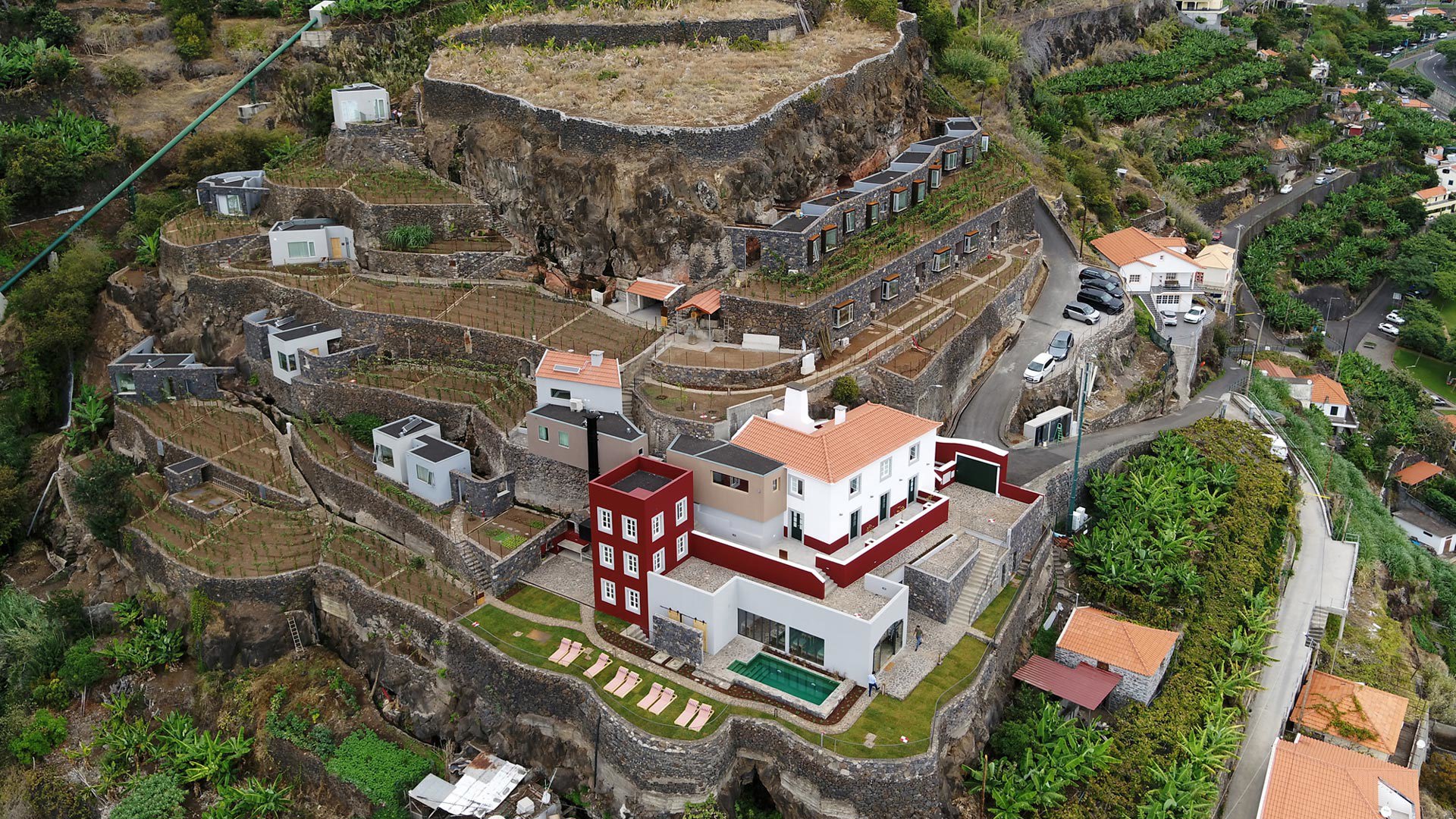
Câmara de Lobos is the municipality with the largest vineyard area in Madeira and one of the most striking territories in the island's wine landscape. In the vineyards beside the sea, as at Fajã dos Padres, the traditional latada vines, trained on overhead trellises, predominate. On the high-altitude plots of Jardim da Serra, by contrast, the vines are trained low to the ground, and varieties such as Tinta Negra, Sercial and the rare Terrantez are grown.
It is also in this municipality that wine culture is lived most intensely, making it an essential stop for anyone wishing to discover the history and the wine-growing identity of Madeira.
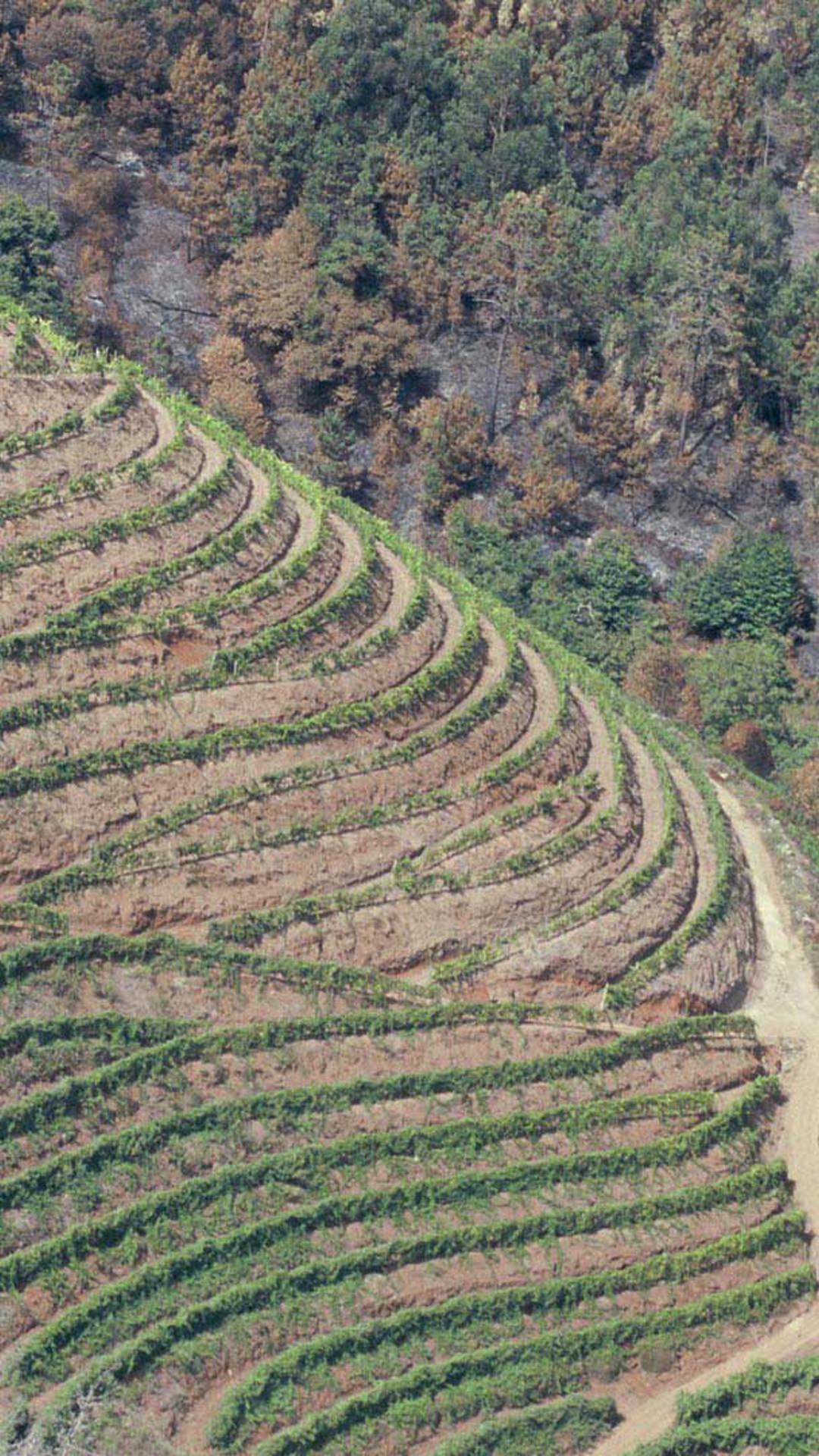
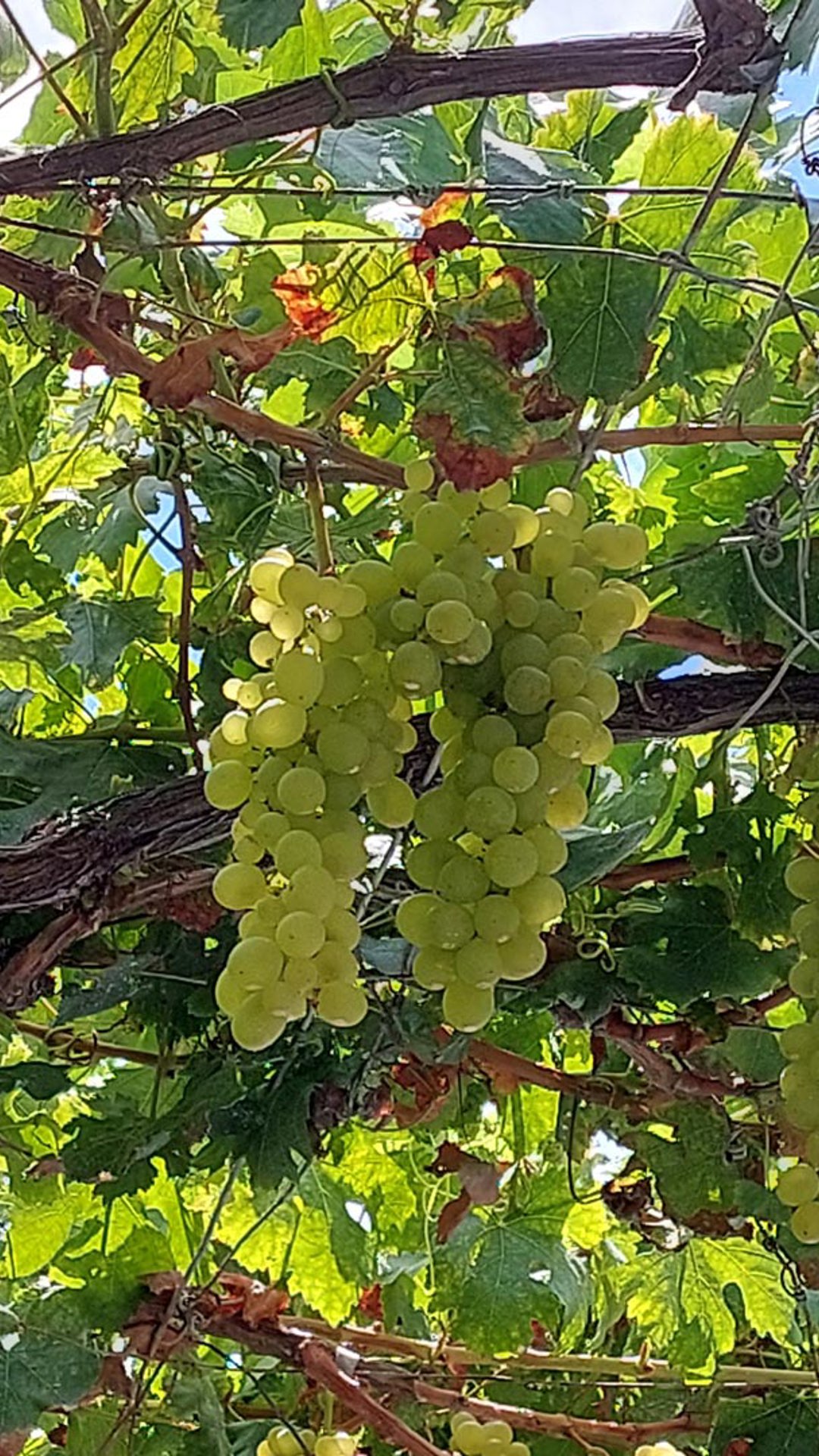
In the Lamaceiros area, the Fajã do Barro viewpoint provides a sweeping view over some of the main wine-growing areas of the municipality. From this vantage point you can see the vineyards of Fajã do Barro, Fajã do Manuel and Arrudal da Ribeira da Janela, tracing a landscape in which the vine follows the coastline and the steep slopes.
On clear days, the view extends as far as Seixal and São Vicente.
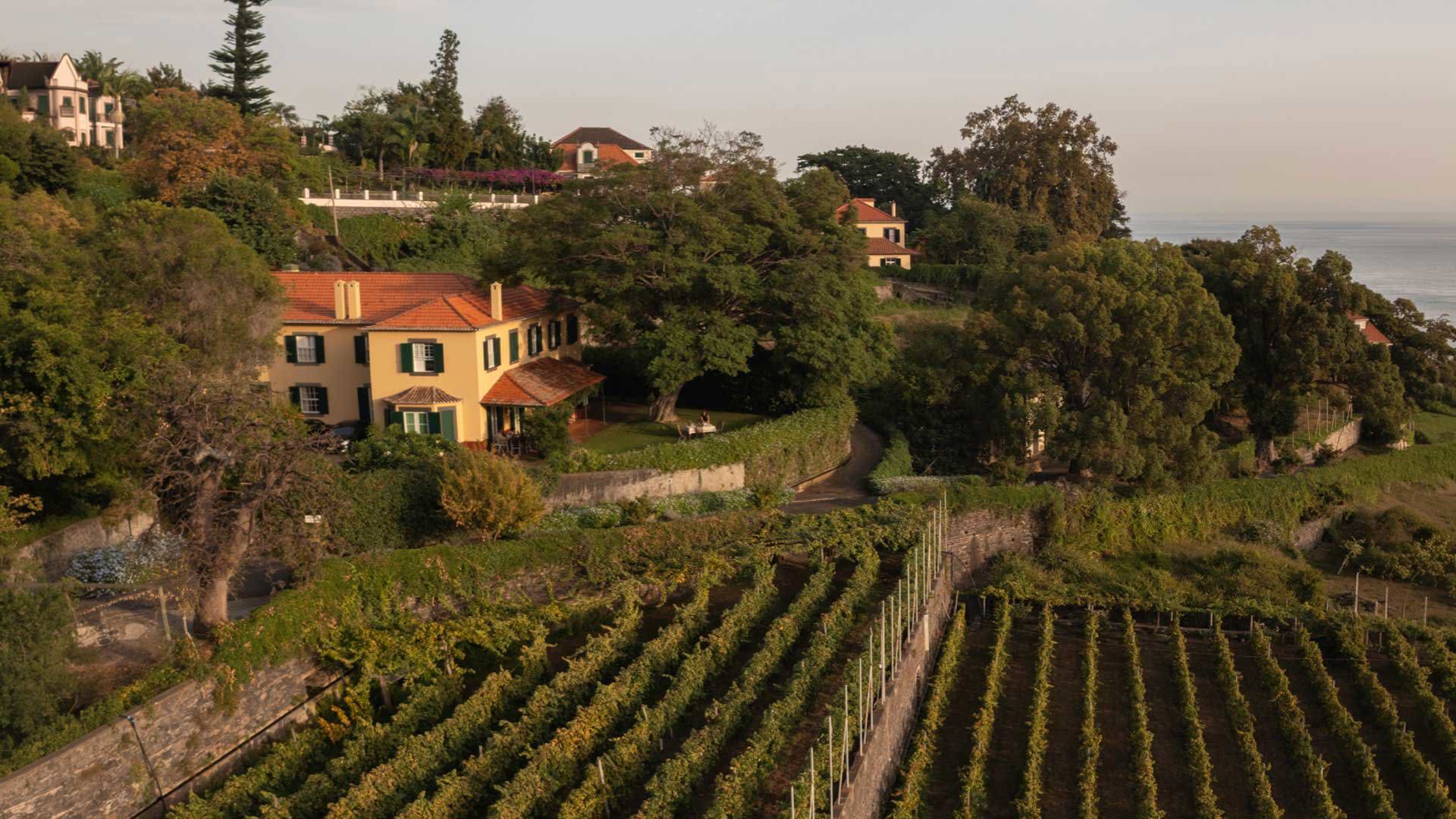
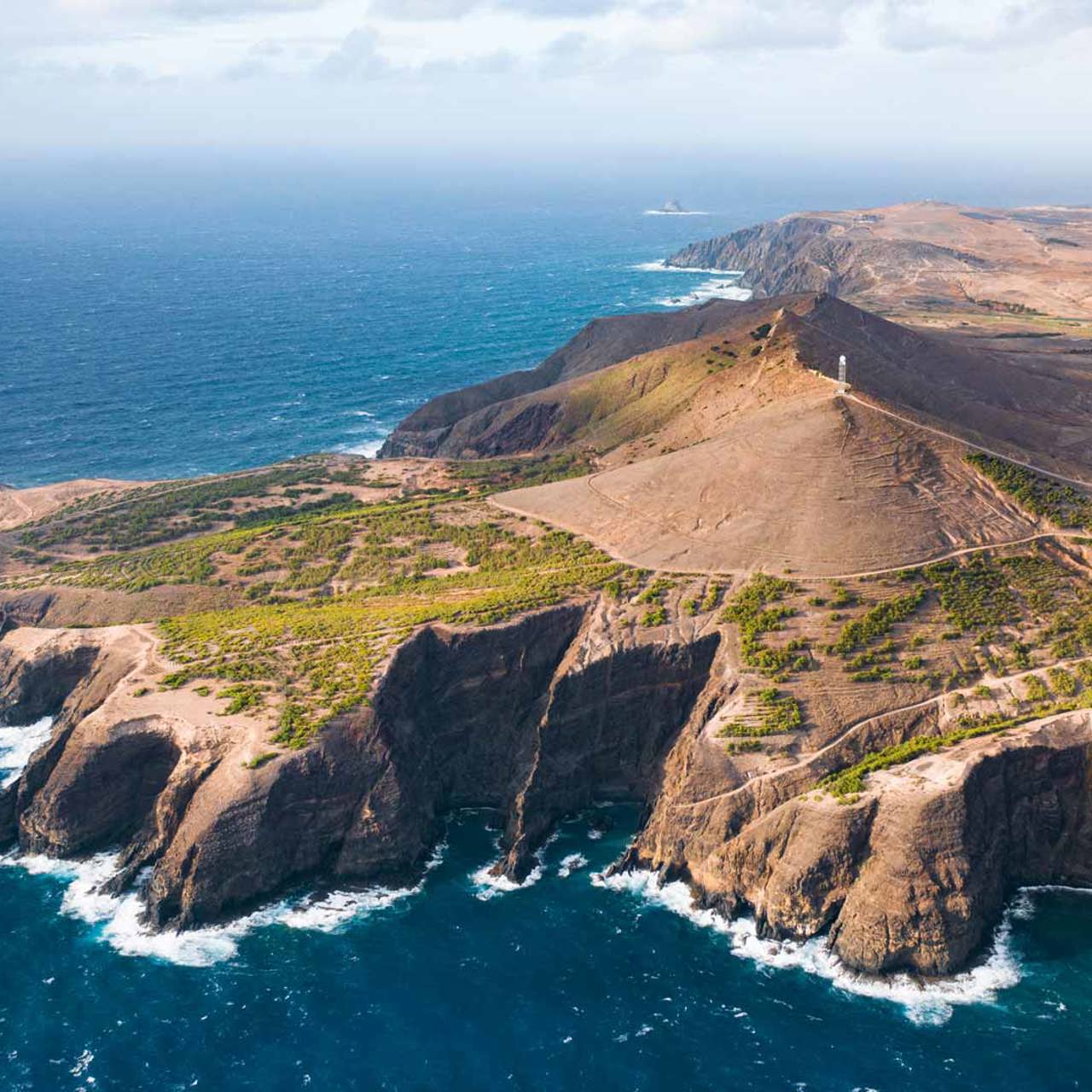
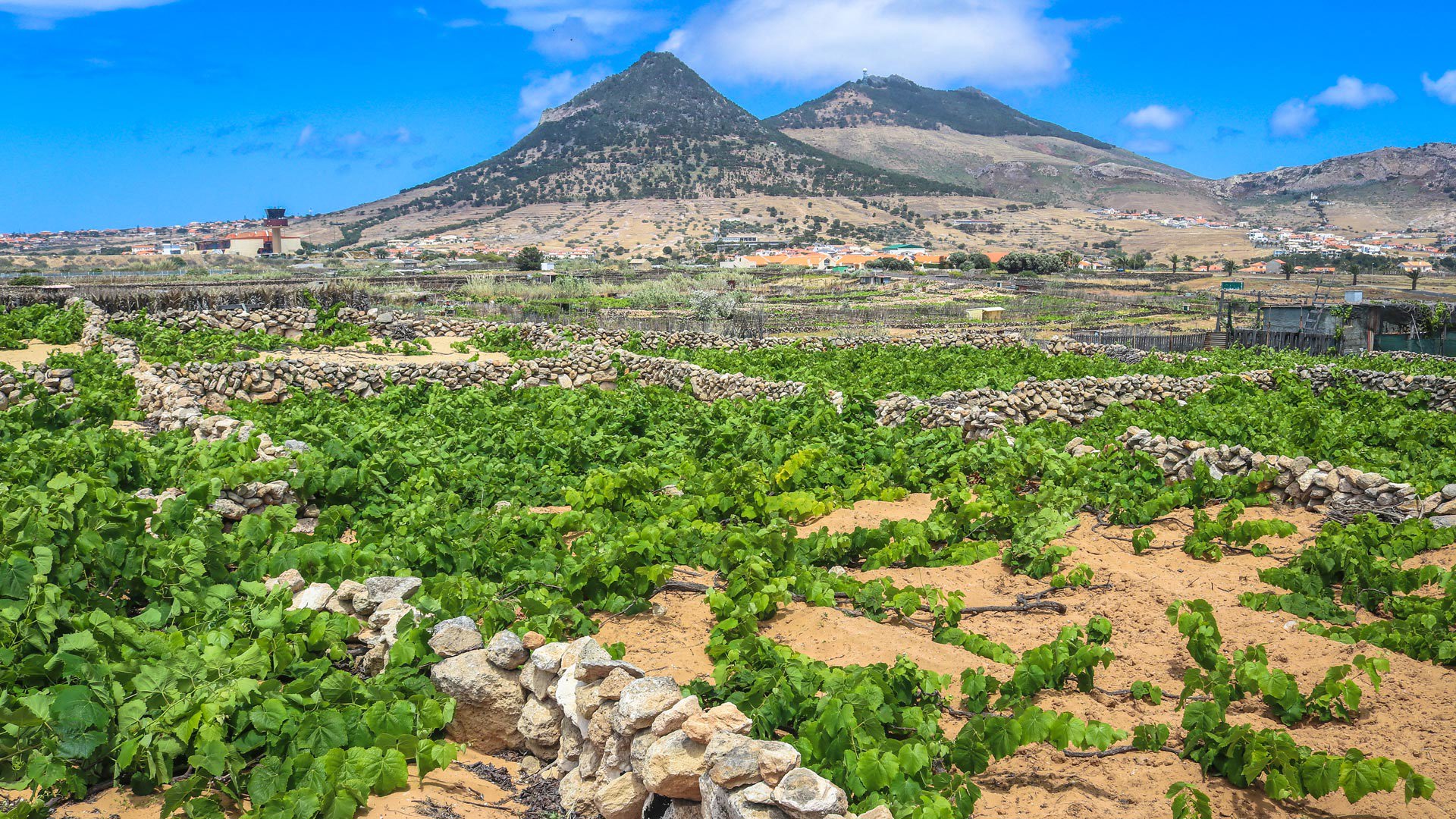
On the island of Porto Santo, the wine landscape takes on an identity all of its own. The drier climate, the sandy soils and the proximity of the sea have given rise to unique growing techniques, preserved over generations.
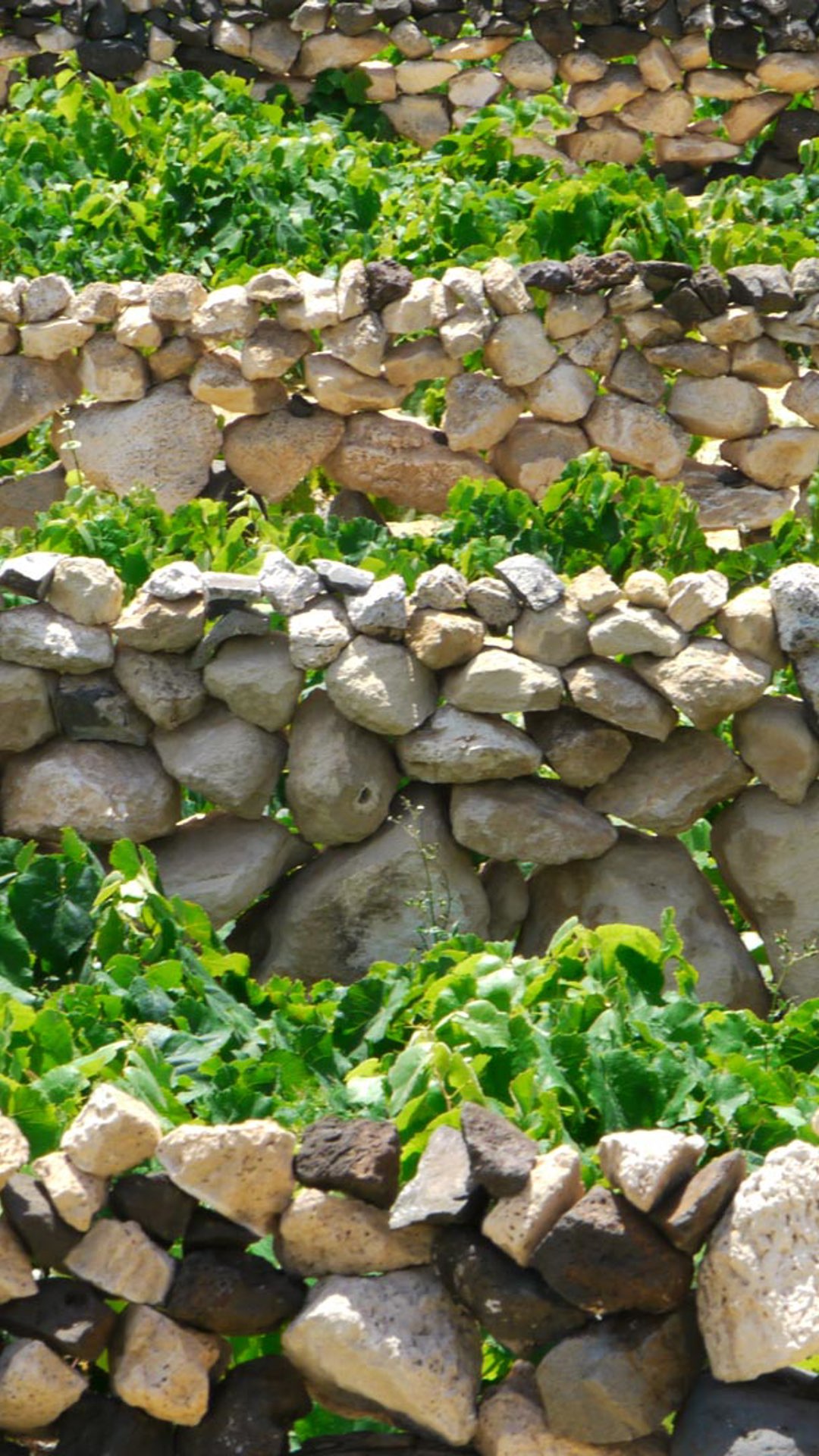
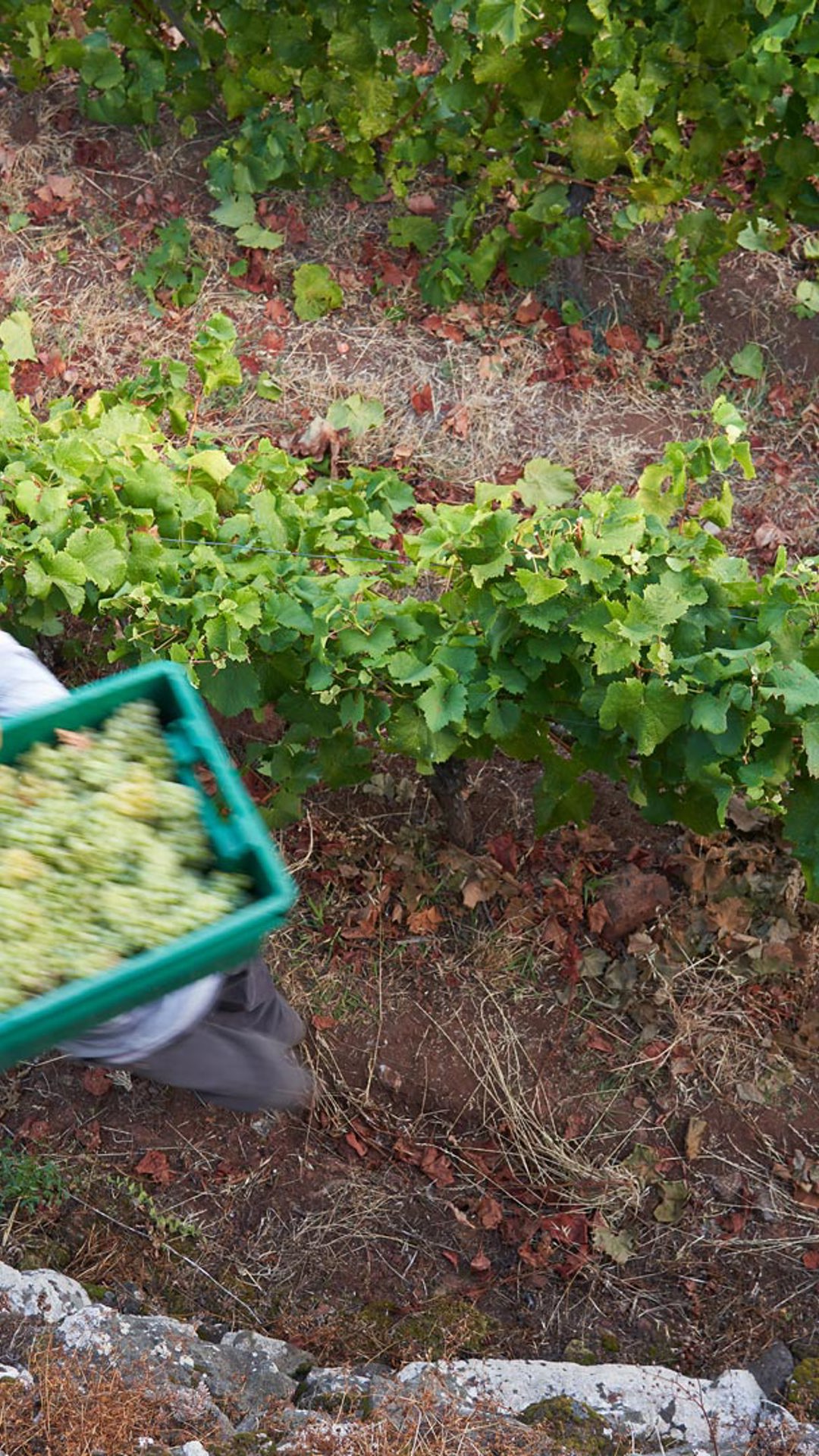
The vineyards of Porto Santo are found mainly along the south coast of the island, where they are trained close to the ground to better withstand the wind and the climatic conditions characteristic of this territory.
Sheltered by the traditional crochet walls, built by stacking limestone rocks of different sizes, the vines form a singular landscape, unlike any other in Madeira. These walls help protect the plants from the wind and the sea spray, and are one of the most characteristic features of the island's agricultural landscape.
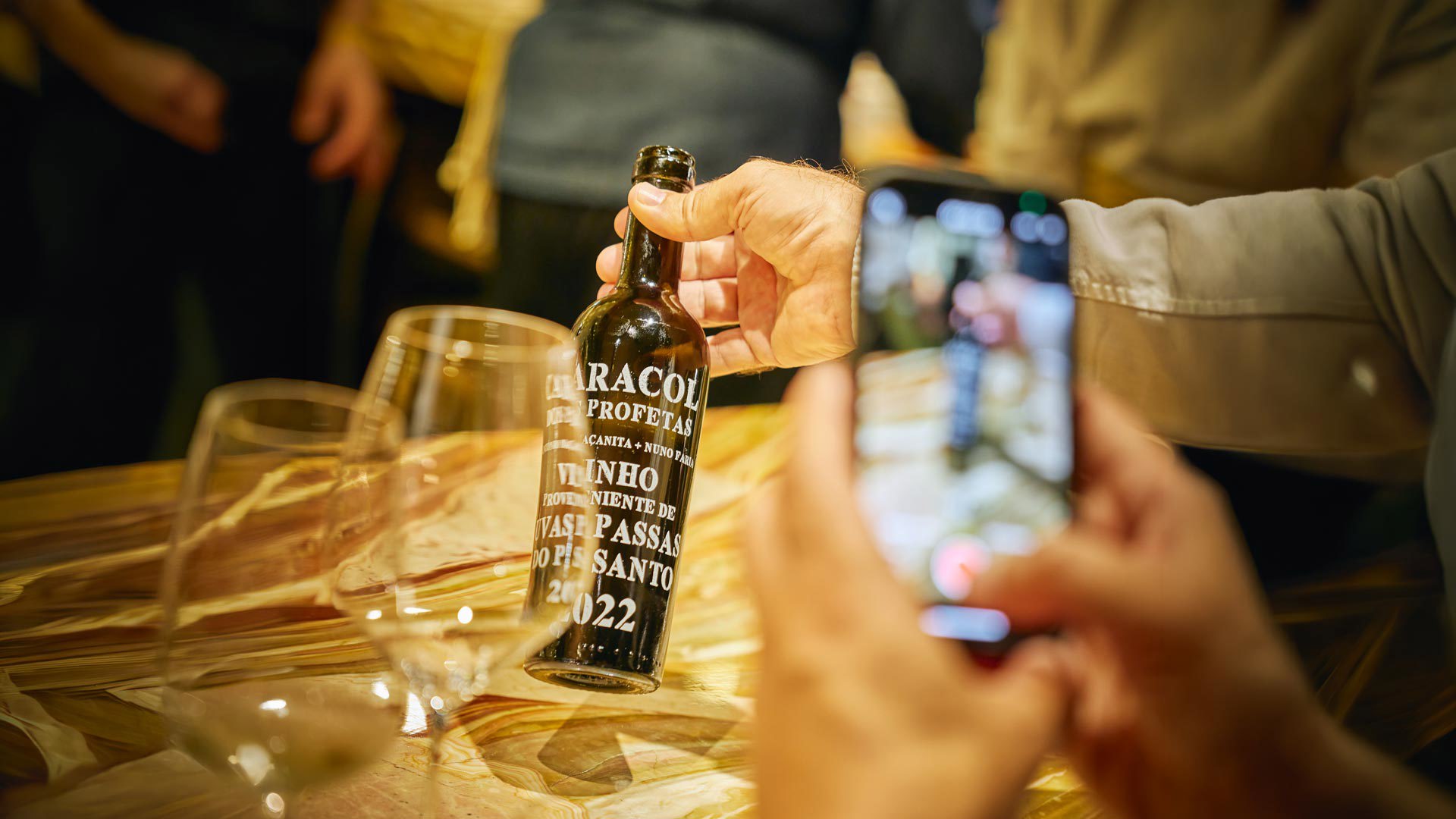
Today, Porto Santo continues to preserve this wine-growing tradition, offering visitors the chance to discover a unique heritage where wine, landscape and history go hand in hand.